

Fashion, a dynamic and ever-evolving realm, is a reflection of societal values, technological advancements, and global shifts. As we approach 2025, the landscape of fashion promises to be influenced by bold new directions and innovative breakthroughs. In this essay, we will explore the most exciting fashion trends that are expected to dominate in 2025, from sustainability and digital fashion to the resurgence of past styles and the integration of advanced technologies in daily wear.
1. Sustainability and Circular Fashion
Sustainability has been a buzzword in the fashion industry for years, but by 2025, it will have transitioned from a trend to a fundamental necessity. With mounting concerns about environmental impact, fashion brands will be compelled to adopt circular practices more than ever before. Circular fashion refers to a system where clothing is designed with the intention of being reused, recycled, or upcycled at the end of its life cycle. This includes using biodegradable materials, upcycled fabrics, and designing garments that can be disassembled into their raw materials for future use.
By 2025, many fashion houses will adopt innovative techniques that extend the lifespan of garments. Expect to see more brands utilizing renewable energy sources in their production processes, offering repair services to extend garment life, and ensuring that the materials they use are sourced sustainably. Additionally, the rise of rental and second-hand clothing services will make it easier for consumers to access high-quality fashion while reducing waste. This movement towards sustainability will not only reshape the way clothes are made and consumed but also challenge the very definition of luxury.
2. Digital Fashion and Virtual Wardrobes
As technology continues to influence all aspects of our lives, the fashion industry is no exception. By 2025, the integration of digital fashion and virtual wardrobes will become mainstream. With the rise of augmented reality (AR) and virtual reality (VR), consumers will be able to try on clothes in a virtual space without stepping foot inside a store. This technology will be particularly useful for online shopping, where it’s difficult to gauge the fit or appearance of an item.
In addition to virtual try-ons, digital fashion will become an important facet of online social interactions. Platforms like Instagram and Snapchat already allow users to share their personal style with the world, and by 2025, virtual avatars and digital clothing will be commonplace. These avatars will wear the same clothes as their real-world counterparts, but the garments may only exist in the digital space. Digital fashion will become a form of self-expression, offering users the opportunity to showcase unique designs that are impossible to create in the physical world.
Fashion brands will also capitalize on this trend by creating digital-only collections, allowing for the sale of limited-edition virtual pieces that can be worn by avatars in online spaces. This shift towards digital fashion will also reduce waste associated with physical garment production, helping to address sustainability concerns while offering consumers a new and exciting way to engage with the fashion world.
3. The Revival of Y2K and Nostalgia Trends
Nostalgia has always played a key role in fashion, and the upcoming years will see a strong revival of styles from the early 2000s. Known as the Y2K aesthetic, this trend is marked by a fusion of bright colors, logo-centric designs, metallic finishes, and futuristic influences that were prevalent in the late 1990s and early 2000s. As younger generations who grew up during this time enter the fashion market, the Y2K style will once again become a dominant force in the fashion scene.
Expect to see a return of low-rise jeans, cargo pants, butterfly clips, and shiny metallic fabrics in both streetwear and high fashion collections. The influence of pop culture icons from this era, including Britney Spears, Paris Hilton, and Jennifer Lopez, will continue to inspire designers. However, the 2025 iteration of Y2K fashion will be more refined and elevated, integrating modern tailoring techniques and sustainable materials.
This trend is also reflective of a broader desire for escapism, with people seeking comfort in the past during uncertain times. The resurgence of Y2K fashion will tap into a collective longing for a simpler, more carefree era, all while blending the aesthetic with contemporary sensibilities.
4. Gender Fluidity and Inclusive Fashion
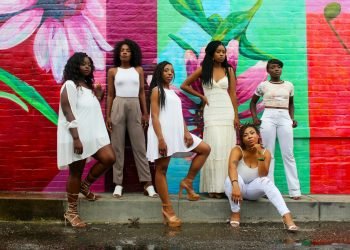
The fashion industry’s increasing emphasis on inclusivity and gender fluidity will come to the forefront in 2025. Fashion designers and brands are increasingly moving away from rigid gender binaries and embracing more fluid, unisex, and gender-neutral clothing options. This is part of a broader cultural shift towards recognizing and celebrating diverse gender identities.
By 2025, fashion collections will no longer be categorized strictly by men’s or women’s wear. Instead, many fashion lines will feature clothing that can be worn by anyone, regardless of gender. From oversized silhouettes to tailored pieces that can be adapted for different body types, gender-neutral fashion will break down traditional barriers and allow individuals to express themselves without being confined to societal norms.
Furthermore, the inclusivity movement will continue to emphasize the importance of size diversity, with many brands offering extended size ranges and promoting body positivity. This shift will empower individuals of all shapes, sizes, and identities to feel represented in the fashion world, creating a more open and accepting space for everyone.
5. Tech-Infused Fashion and Wearable Technology
The fusion of fashion and technology is poised to take a giant leap forward in 2025. Wearable technology will no longer be limited to smartwatches and fitness trackers; instead, it will become a seamless part of everyday clothing. Clothes that can monitor health metrics, such as heart rate or body temperature, will become increasingly common. These garments will be designed not just for practicality but for style, offering consumers the opportunity to stay connected and track their health while looking fashionable.
Additionally, smart fabrics will revolutionize the way we think about clothing. Fabrics embedded with sensors, conductive threads, and even LED lights will allow garments to respond to environmental stimuli. For example, jackets may change color depending on the temperature, or shirts may emit light to signal when the wearer is reaching their physical limits during exercise. This combination of aesthetics and function will elevate the role of fashion, making it more interactive and integrated into our digital lives.
6. The Growth of Virtual Fashion Shows
Fashion shows have long been the epitome of exclusivity and glamour, but in 2025, the concept of the fashion show will undergo a radical transformation. Virtual fashion shows will become increasingly popular, allowing designers to reach global audiences in ways that were previously unimaginable. These virtual events will be streamed in 3D and allow viewers to experience collections in immersive, interactive environments.
The virtual runway will offer new opportunities for creativity, as designers can experiment with digital spaces and use technology to enhance their presentations. Augmented reality will allow viewers to interact with the clothing in real time, and virtual audiences will have the chance to “attend” shows without the limitations of location or ticket prices. This democratization of fashion will make high-end design more accessible, allowing fashion enthusiasts from around the world to experience the latest trends without leaving their homes.
7. Futuristic Footwear: From Sneakers to Smart Shoes
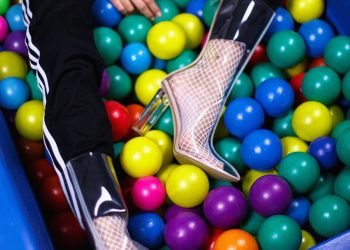
Footwear will continue to evolve in 2025, as innovations in design and technology lead to the creation of shoes that are both functional and futuristic. Sneakers, in particular, will remain at the forefront of fashion, with brands introducing models that are not just stylish but also packed with high-tech features. Expect to see shoes with built-in sensors that adjust to the wearer’s foot, providing personalized comfort and support. 3D-printed shoes will also become more common, offering custom-fit options that were once impossible to achieve through traditional manufacturing methods.
Moreover, eco-conscious consumers will demand sustainable alternatives in their footwear choices. Brands will increasingly turn to materials like biodegradable plastics, recycled textiles, and plant-based leathers to craft shoes that are both stylish and environmentally friendly. The future of footwear will blur the lines between fashion, comfort, and technology, creating a new era of smart shoes that cater to both aesthetic and practical needs.