

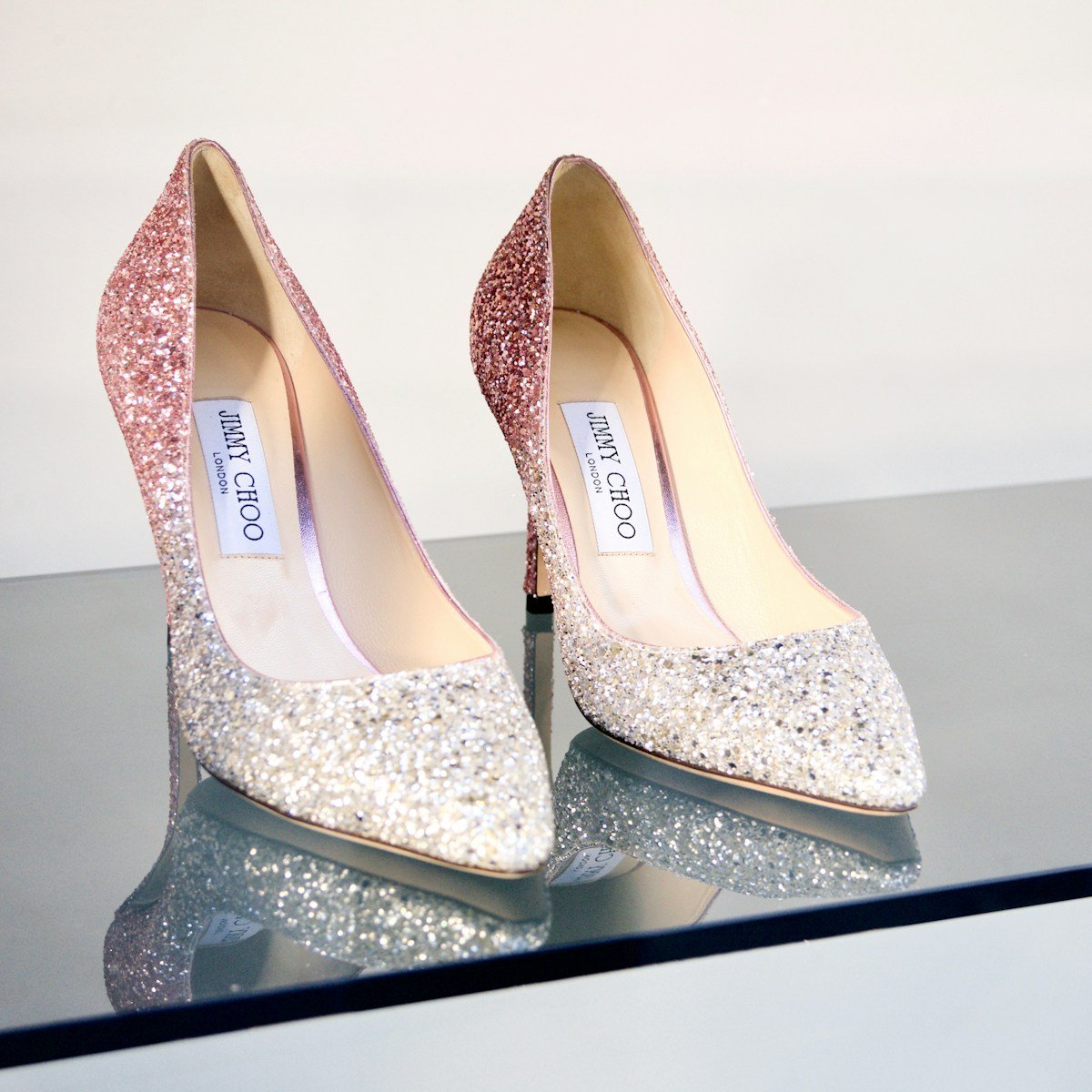
High heels have been a defining fashion statement for centuries, but their evolution tells a rich story of changing social norms, shifting perceptions of beauty, and technological advancements in shoe design. From their origins in ancient civilizations to their place as a modern-day symbol of power, elegance, and fashion, high heels have undergone significant transformations. This essay explores the journey of high heels, examining how they have evolved from a functional footwear item to a luxury accessory, and the impact this evolution has had on culture, gender, and society.
The Early History: High Heels in Ancient Civilizations
The concept of elevated footwear dates back to ancient times, long before high heels became a fashionable item in the Western world. The earliest known high-heeled shoes were worn by both men and women in ancient civilizations, including Egypt, Greece, and Persia. In ancient Egypt, sandals were designed with elevated heels to protect the feet from the hot sand, but these heels were functional, not decorative.
In ancient Greece, actors in theater performances wore elevated sandals, known as “kothorni,” to distinguish their social status and roles. These sandals were often used to elevate the wearer, making them appear more imposing on stage. The trend continued in ancient Rome, where actors wore shoes with elevated heels for similar theatrical purposes.
However, the idea of high heels as a fashion statement truly began to take shape in the 16th century, during the Renaissance period in Europe.
The Rise of High Heels in the 16th Century: The Renaissance and the Reign of Louis XIV
The 16th century saw the introduction of high heels in European fashion, particularly in Italy and France. One of the earliest adopters of elevated footwear was Catherine de Medici, the Queen of France. Catherine, who was of a short stature, reportedly wore heels to increase her height and give her a more regal presence. This began the trend of using high heels to create a more statuesque and commanding silhouette.
The trend quickly gained popularity among European aristocracy, with both men and women adopting high heels as a status symbol. The shoes were often lavishly decorated, made from luxurious materials such as velvet and silk, and adorned with intricate designs, gemstones, and embroidery. High heels became a symbol of wealth and power, and their height varied according to the fashion of the time.
One of the most significant figures in the history of high heels was King Louis XIV of France, who ruled in the 17th century. The French king is often credited with popularizing high heels among the elite. Known for his love of opulence, Louis XIV wore heels that were a striking red color, a design that became associated with his court. The red heels were not only a symbol of status but also of the king’s authority, as only the nobility were allowed to wear them. This royal endorsement of high heels further cemented their place in European fashion.
The 18th and 19th Centuries: The Decline and Revival of High Heels
In the 18th century, high heels began to fall out of favor, especially among women. The early part of the century saw the rise of more practical and functional footwear, such as flats and low-heeled shoes, as the Industrial Revolution began to change societal expectations. Women began to prioritize comfort and mobility over the decorative elements of fashion.
However, the popularity of high heels saw a revival in the 19th century. This period was marked by the rise of Victorian fashion, where women wore shoes with moderate heels. The Victorian era placed a strong emphasis on modesty and propriety, and high heels were viewed as a way to enhance femininity and create a more elegant appearance. Heels were often paired with long skirts, which served to conceal the foot and add to the mystery and allure of the woman wearing them.
During this period, the heel design became more structured and varied. The “Louis heel,” named after King Louis XIV, was introduced during the 18th century and became a popular design throughout the 19th century. It was characterized by a curved, slender heel that gradually tapered towards the ground. This elegant design contributed to the overall graceful look of high heels, which were often worn by women in higher social classes.
The 20th Century: High Heels in Modern Fashion
The 20th century brought dramatic changes to the design and popularity of high heels. Early in the century, heels remained relatively moderate in height, reflecting the social and cultural norms of the time. However, the 1920s marked a turning point in the history of high heels, as the flapper movement led to a new, more modern approach to fashion. Women of the Jazz Age embraced shorter hemlines and more daring footwear, including the introduction of high-heeled shoes with a more substantial and robust design.
In the post-World War II era, high heels became an iconic symbol of femininity. Designers like Christian Dior and Salvatore Ferragamo helped redefine the high heel, creating more elegant and luxurious designs that became associated with sophistication and class. Dior’s “New Look” collection in the late 1940s featured skirts with a fuller silhouette, and high heels were paired with these outfits to complete the polished, hourglass figure. This was the height of high heels as a fashion statement, and their popularity skyrocketed.
The 1950s and 1960s saw the emergence of new heel designs, including the stiletto heel, which became the symbol of feminine beauty and sexual allure. The stiletto, introduced by designer Roger Vivier, was characterized by a thin, sharp heel that allowed women to appear taller and more slender. The stiletto quickly became the most coveted shoe style of the era and was worn by movie stars like Marilyn Monroe and Audrey Hepburn, further solidifying its place in fashion history.
In the 1970s, high heels began to face competition from the rising popularity of platform shoes, which were often associated with the disco culture. Platforms provided added height and boldness, offering a more comfortable alternative to the delicate stiletto heel. Throughout the 1980s and 1990s, designers like Manolo Blahnik and Jimmy Choo helped bring the stiletto back into the spotlight, and high heels became synonymous with luxury, power, and status.
The 21st Century: Contemporary High Heels and the Changing Fashion Landscape
In the 21st century, high heels continue to be an essential element of fashion, but their significance has evolved. With the rise of athleisure and more casual clothing styles, high heels are no longer the everyday choice for many women. Instead, they are often reserved for formal occasions, red carpet events, or professional settings where a polished appearance is desired.
However, designers have embraced innovation in the creation of modern high heels, offering a range of styles that combine both fashion and comfort. Brands now create heels with cushioned insoles, ergonomic designs, and more supportive structures to address the discomfort associated with traditional high heels. Additionally, the growing trend of sustainable fashion has led to an increase in eco-friendly materials being used in the production of high heels, making the footwear not only more comfortable but also more ethically produced.
Moreover, high heels have also evolved in terms of gender expression. In recent years, there has been a shift in societal views about gendered fashion, with men increasingly embracing high heels as a form of self-expression. Designers like Balenciaga and Thom Browne have included high heels in their menswear collections, challenging traditional notions of masculinity and femininity. High heels have become a more inclusive fashion statement, with people of all genders wearing them as a means of showing individuality and style.
Conclusion: High Heels as a Reflection of Society
The evolution of high heels reflects broader changes in fashion, culture, and society. From their beginnings as a functional tool in ancient civilizations to their rise as a symbol of status and femininity in the 16th century, high heels have consistently mirrored the values, aesthetics, and ideals of each era. Today, high heels continue to be an important part of the fashion world, evolving in design and meaning to meet the needs of modern consumers.
As we move forward, it will be interesting to see how high heels continue to adapt to the changing tides of fashion and society. Will they remain a symbol of elegance and power, or will they transform into something entirely different? Only time will tell, but one thing is for certain: high heels will always be an iconic and enduring part of fashion history.