
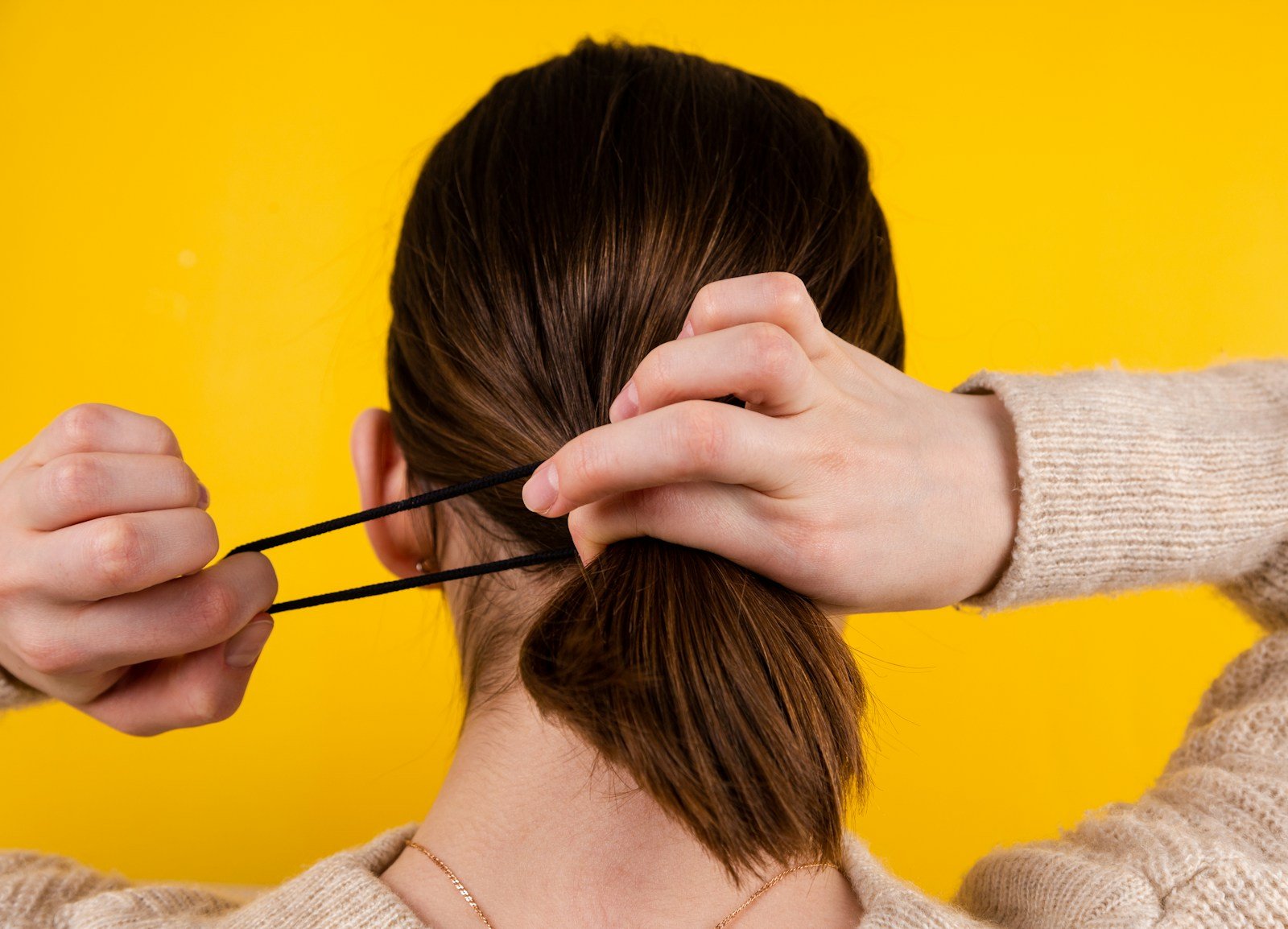
Heat styling tools like straighteners, curling irons, and blow dryers are a staple in many people’s hair routines, offering the ability to achieve sleek, styled, and polished looks. Whether it’s achieving volume, adding curls, or creating smooth waves, these tools are incredibly versatile and can transform hair in a matter of minutes. However, frequent use of heat styling tools can have a detrimental impact on hair health if not done properly. Heat can strip hair of moisture, cause breakage, and leave it looking dull and lifeless.
Despite these risks, it is possible to maintain healthy hair while using heat tools regularly. With the right strategies, products, and techniques, you can enjoy the benefits of heat styling without sacrificing the health of your hair. In this essay, we will explore how to maintain healthy hair while using heat tools, emphasizing the importance of proper preparation, protection, and aftercare.
The Impact of Heat on Hair
To understand how to protect hair when using heat tools, it’s important to first understand how heat affects the hair shaft. Hair is primarily made up of a protein called keratin, and it has a delicate structure that can be altered by excessive heat exposure. When heat is applied to hair, the moisture inside the hair shaft evaporates, which can cause the hair to become dry, brittle, and prone to breakage.
Additionally, heat can lead to the breakdown of the cuticle, the outermost layer of the hair, making it more porous and less able to retain moisture. As the cuticle layer weakens, hair becomes more susceptible to frizz, tangling, and split ends. Over time, repeated heat exposure can lead to long-term damage, leaving the hair looking unhealthy and lifeless.
While heat styling tools don’t necessarily cause immediate damage, frequent use without proper care can result in gradual degradation of hair quality. It’s essential, therefore, to take measures that protect hair from this damage and keep it looking shiny, smooth, and healthy.
Step 1: Always Use Heat Protectant Products
One of the most important steps in protecting hair from heat damage is the use of heat protectant products. These products form a barrier around the hair strands that shield them from the harmful effects of heat. Heat protectants work by coating the hair with a layer that helps to lock in moisture, smooth the cuticle, and prevent the hair from losing its natural elasticity.
Heat protectants come in various forms, including sprays, creams, serums, and oils. For best results, it is important to choose a heat protectant that suits your hair type. For example, fine hair may benefit from a lightweight spray, while thicker hair might need a richer cream or serum for added moisture and protection.
To apply a heat protectant, make sure to spray or distribute the product evenly throughout damp or dry hair before styling. Concentrate on the ends, as they tend to be the most vulnerable to damage. Many heat protectants also provide additional benefits, such as frizz control, shine enhancement, or added volume, making them a multi-purpose addition to your routine.
Step 2: Avoid Excessive Heat
While heat styling tools can give hair the desired look, it is crucial to avoid using excessive heat. High temperatures can damage hair more quickly, especially if the hair is fine or already prone to dryness. Most styling tools have temperature settings, and it is wise to use the lowest effective temperature to achieve your style.
As a general rule, for straightening or curling hair, aim to use a tool with a temperature of 300 to 350°F (150 to 175°C) for fine or damaged hair, and 350 to 400°F (175 to 200°C) for thicker, more resilient hair. Temperatures higher than this can cause hair to burn or become excessively dry.
Moreover, when using a blow dryer, opt for the lowest heat setting that still gets the job done. It’s also helpful to use a blow dryer with a diffuser or concentrator nozzle, as these attachments help to distribute heat evenly and reduce the risk of overheating specific areas of the hair.
If you need to use a higher heat setting, it’s important to use the right products to help mitigate the damage. Heat protectants and conditioners that contain ingredients like silicones or proteins can help to reinforce the hair’s structure and provide additional protection against high heat.
Step 3: Limit the Frequency of Heat Styling
While it may be tempting to style hair every day, frequent heat styling can take a toll on your hair’s health. Limiting the frequency with which you use heat tools can help minimize damage and allow your hair to recover between styling sessions.
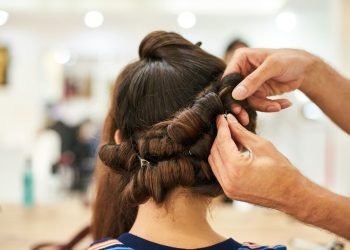
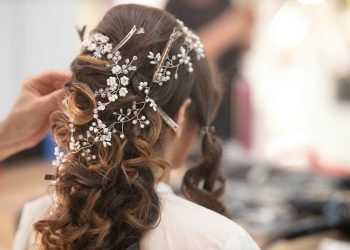
One way to reduce heat styling is by opting for heat-free hairstyles that require minimal or no use of tools. Braids, buns, and twists are excellent alternatives that can create texture or volume without the need for heat. Additionally, embracing your natural hair texture can give your hair a break from styling tools, promoting long-term health.
When you do use heat tools, consider styling your hair in larger sections rather than smaller, more intricate ones. This reduces the amount of time the heat is applied to each strand and helps minimize overall damage. Additionally, try to focus on styling hair that hasn’t been washed on the same day, as hair is more fragile when wet.
Step 4: Maintain Moisture and Hydration
Moisture is key to maintaining healthy, shiny hair, especially when using heat tools regularly. Heat can strip hair of its natural moisture, which can lead to dryness, frizz, and breakage. To combat this, it is essential to keep your hair moisturized both before and after heat styling.
Start with a hydrating shampoo and conditioner designed to lock in moisture and improve the overall health of your hair. Look for products that contain natural oils, such as argan oil, coconut oil, or jojoba oil, which provide deep hydration and nourishment. Deep conditioning treatments, which should be used at least once a week, can also restore moisture and help repair heat-damaged hair.
Leave-in conditioners and hair oils are other excellent ways to maintain hydration. After styling, apply a lightweight leave-in conditioner or serum to lock in moisture, prevent frizz, and give your hair a healthy shine. Be sure to focus on the ends of your hair, as they tend to be the driest and most vulnerable.
Step 5: Regular Haircuts and Trims
Regular haircuts are an essential part of maintaining healthy hair, especially when using heat tools frequently. Over time, heat styling can cause split ends and breakage, which can make hair appear frayed and uneven. Regular trims help remove damaged ends and keep your hair looking fresh and healthy.
Aim for a trim every 6 to 8 weeks, or sooner if you notice split ends or excessive dryness. A professional stylist can also assess the condition of your hair and recommend additional treatments to restore its health.
Step 6: Sleep on Silk or Satin
While it may not be the first thing that comes to mind when thinking about heat styling, the way you sleep can also impact the health of your hair. Cotton pillowcases can cause friction, leading to hair breakage, tangling, and frizz. To protect your hair while you sleep, consider switching to a silk or satin pillowcase. These materials are gentler on hair and reduce the risk of damage caused by friction during sleep.
Additionally, you can wrap your hair in a silk or satin scarf or use a silk hair tie to prevent breakage and preserve your style. This is especially helpful for those who curl or straighten their hair, as it helps maintain the shape of your style and prevents frizz.
Step 7: Post-Styling Care
Once you’ve styled your hair with heat tools, it’s important to take additional steps to protect and maintain your style. Avoid excessive brushing, as this can cause frizz and breakage. Instead, use your fingers or a wide-toothed comb to gently detangle your hair.
Finish off with a lightweight, heat-activated styling spray or hairspray to set your style and add shine. These products can also provide an extra layer of protection from heat and humidity, helping to keep your hair looking polished for longer.