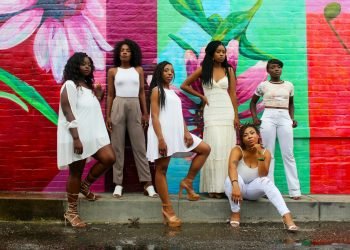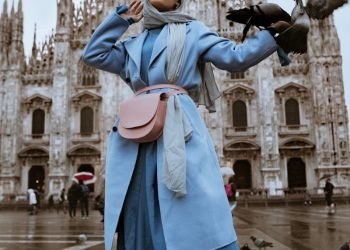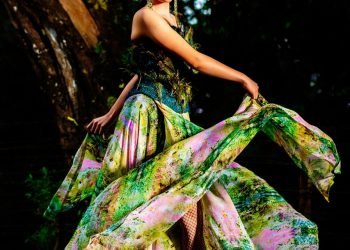

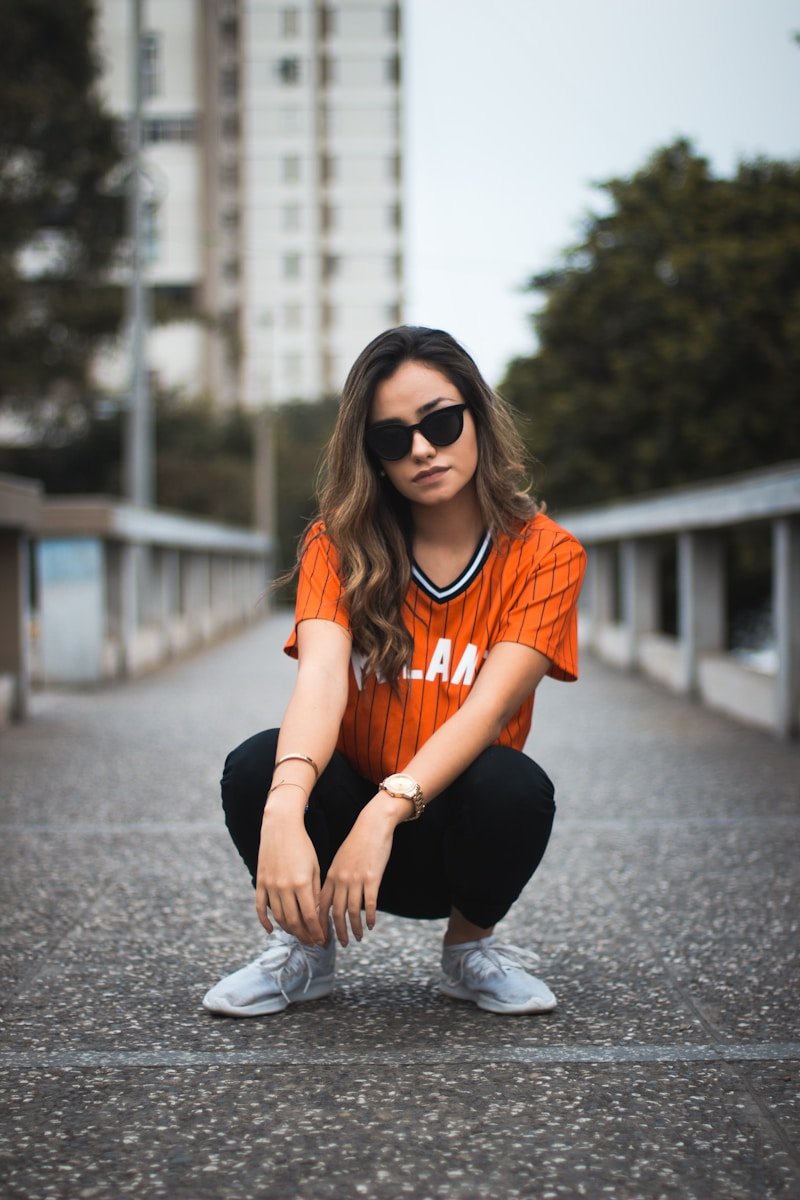
In the ever-evolving world of fashion, one of the most influential shifts in recent years has been the rise of street style. This movement, which originates from urban culture and is deeply rooted in self-expression, has significantly transformed the way fashion is perceived, consumed, and celebrated. Once seen as an outsider or rebellious element in the fashion world, street style has now become a driving force, influencing designers, brands, and even fashion runways. It has redefined the meaning of luxury, democratized fashion, and empowered individuals to curate their personal style in a way that is authentic and creative. In this essay, we will explore how street style is changing fashion today, with particular emphasis on its evolution, impact on luxury brands, and role in shaping individual identity and inclusivity in the fashion industry.
The Evolution of Street Style
The roots of street style can be traced back to the 1960s and 1970s when subcultures such as punk, hip-hop, and skateboarding emerged in urban centers. These subcultures gave rise to unique and diverse fashion expressions that reflected social, cultural, and political movements. From the punk aesthetic, with its DIY attitude, to the boldness of hip-hop fashion, characterized by oversized silhouettes, graffiti prints, and sportswear influences, street style has always been a reflection of rebellion, freedom, and individualism.
However, it was not until the late 1990s and early 2000s that street style began to gain mainstream recognition, largely due to the rise of streetwear. Streetwear, a fusion of casual, athletic, and often graphic-based clothing, was championed by brands such as Supreme, Stüssy, and A Bathing Ape. These brands not only found their roots in street culture but also became emblems of status and exclusivity. The proliferation of hip-hop culture, with its associations to fame, wealth, and street credibility, helped propel street style further into the limelight, creating a new fashion narrative that rejected the formalities of traditional haute couture.
With the advent of social media platforms like Instagram, the influence of street style became even more pronounced. Influencers and fashion bloggers began showcasing their outfits, often incorporating items from both high-end designers and streetwear brands. The accessibility of these platforms meant that street style was no longer confined to city streets or subcultures. It became global, transcending geographical boundaries, and allowing people from all walks of life to share their personal style with a worldwide audience. The democratization of fashion was well underway.
Street Style’s Impact on Luxury Fashion
One of the most significant changes that street style has brought to the fashion industry is its impact on luxury brands. Luxury fashion, once synonymous with exclusivity, elitism, and couture craftsmanship, has undergone a transformation as it began to embrace the casual, laid-back aesthetics of streetwear. Designers and fashion houses that traditionally focused on high-end, meticulously crafted garments began to incorporate streetwear elements into their collections. The blending of street style with luxury fashion has led to the rise of a new market: “luxury streetwear.”
This shift was most notably seen with the collaboration between streetwear brand Supreme and luxury fashion house Louis Vuitton in 2017. The collaboration was groundbreaking, combining Supreme’s street-inspired graphics with Louis Vuitton’s rich history and craftsmanship. The collection sold out almost instantly, further solidifying the idea that street style could no longer be considered an outsider to high fashion. Since then, other luxury brands, such as Balenciaga, Gucci, and Off-White, have continued to draw inspiration from street culture, offering items such as oversized hoodies, sneakers, graphic tees, and baseball caps—often seen as symbols of rebellion rather than sophistication.
The blending of streetwear with luxury has created a new form of status symbol, one that is less about showing wealth through traditional markers like suits or dresses and more about displaying an individual’s connection to culture and creativity. It is now just as common to see a high-end fashion editor wearing a pair of sneakers as it is to see them in a tailored suit. This shift has also made luxury fashion more accessible, at least in terms of its style and visual language. By incorporating elements of street style, brands have been able to engage with a younger, more diverse consumer base, which has further accelerated the global interest in luxury fashion.
Additionally, this democratization of fashion has given rise to a new wave of collaborations between luxury and streetwear brands, resulting in limited-edition products that generate hype and excitement. These collaborations have been so successful that many fashion houses now see streetwear as a vital part of their business model. The cultural relevance that streetwear brings has allowed luxury brands to stay relevant in an increasingly competitive and fast-moving fashion landscape.
Street Style as Personal Identity and Expression
One of the most empowering aspects of street style is the way it allows individuals to use fashion as a tool for personal identity and expression. Street style has broken away from the constraints of traditional fashion rules, allowing people to experiment with different styles, mix and match garments, and express their personality through their wardrobe. Whether it’s through the use of bold colors, oversized silhouettes, or graphic prints, street style provides a platform for creativity and self-expression that was once largely reserved for the fashion elite.
Moreover, street style has become a way for individuals to communicate their social and political beliefs. Many streetwear brands, such as Virgil Abloh’s Off-White or the politically charged graphics of Black Lives Matter-inspired collections, have incorporated messages that reflect current social movements. Fashion, once seen as a purely aesthetic pursuit, has become a way to engage with larger societal issues. Street style, therefore, is not just about clothes; it is about making a statement, whether that statement is about individuality, rebellion, or a desire for social change.
The influence of street style has also made fashion more inclusive. In the past, the fashion industry often emphasized a narrow, idealized standard of beauty, typically centered on thin, tall, and mostly white models. Street style, however, embraces diversity and authenticity, showcasing a range of body types, ethnicities, and gender expressions. This inclusivity is reflective of the multicultural nature of urban environments, where people from all backgrounds coexist and influence one another. In this way, street style has helped to redefine beauty standards, making fashion more relatable to a wider audience.
The Future of Street Style in Fashion
As street style continues to grow in influence, its impact on fashion will only become more pronounced. One trend that seems inevitable is the continued blending of streetwear and high fashion. This fusion has already led to the emergence of new categories such as luxury athleisure, which combines the comfort and functionality of sportswear with the refined aesthetics of luxury brands. The popularity of sneakers, once considered strictly casual footwear, has exploded in the luxury market, with limited-edition releases and collaborations driving both demand and hype.
Moreover, street style’s focus on individuality and self-expression will continue to encourage a shift away from the conventional “seasons” that dominate traditional fashion cycles. As the fashion industry embraces digital platforms and social media, we may see a rise in “see-now, buy-now” models, where consumers can instantly purchase items from a runway show or street-style look. This could lead to a more personalized, fluid approach to fashion, where people wear what feels right to them, rather than adhering to seasonal trends dictated by fashion houses.