
Contouring is a makeup technique that has gained significant popularity in recent years, revolutionizing the way people approach their makeup routines. It allows individuals to enhance their facial features, sculpting the face to achieve a more defined, structured look. Whether you’re preparing for a special event, a photoshoot, or just want to elevate your everyday makeup routine, mastering the art of contouring can give you a flawless appearance. While it may seem like a complicated process, contouring can be broken down into simple techniques that anyone can learn with a little practice. In this essay, we will explore some essential tips and techniques for contouring your face using makeup.
Understanding Contouring
Before diving into the techniques, it’s important to understand what contouring is. Contouring involves the use of makeup products, usually powders or creams, to create shadows and highlights on the face, altering the appearance of certain features. It’s about playing with light and dark shades to enhance bone structure and create dimension. The goal of contouring is to emphasize the natural shape of your face while adding definition.
The key areas to focus on when contouring are typically the cheekbones, jawline, nose, and forehead. By strategically applying darker shades to the areas you want to recede and lighter shades to the areas you want to highlight, you can achieve a sculpted effect. It’s a technique that allows you to bring out your best features while downplaying others, giving you more control over the way you look.
The Tools You Need
To achieve the perfect contour, you’ll need a few key makeup tools. The right brushes and products can make a world of difference in how your contour turns out. Here are some essential tools for contouring:
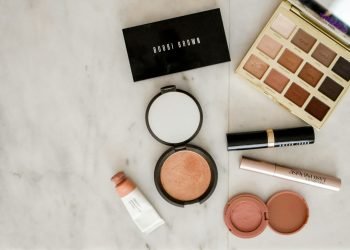
- Contouring Products: The first step is choosing the right contour products. There are various options available, including contour sticks, powders, and creams. The product you choose will depend on your skin type and personal preference. For beginners, powder contours are often easier to work with, while more advanced users may prefer cream contours for a more natural, blendable finish.
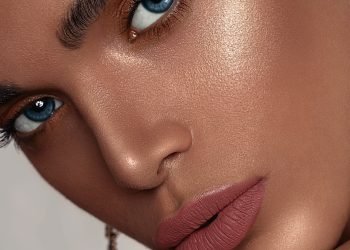
- Highlighter: A good highlighter is crucial to achieving the bright, luminous effect that contrasts with the darker contour. Highlighter can be applied on the cheekbones, the bridge of the nose, the cupid’s bow, and the forehead to create a youthful, glowing look.
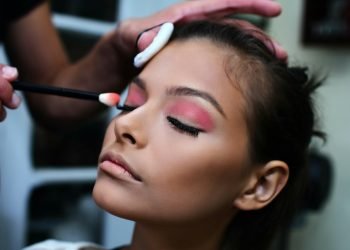
- Contouring Brushes: Different brushes serve different purposes when it comes to contouring. A small, angled brush is perfect for applying contour to the hollows of your cheeks, while a larger, fluffy brush is better for blending products. For highlighting, a fan brush or a flat brush will help you achieve the precise application you need.
- Beauty Sponge: A beauty sponge is great for blending your contour and highlighter seamlessly into the skin. It helps to avoid harsh lines and ensures that the products look natural and well-blended.
Step-by-Step Guide to Contouring
Now that we’ve covered the essential tools, let’s go through a simple, step-by-step guide to contouring your face.
1. Start with a Clean, Moisturized Face
Before applying any makeup, ensure your skin is clean and well-moisturized. This step creates a smooth base and helps makeup apply evenly. Additionally, using a primer can help to smooth out any imperfections and create a longer-lasting finish.
2. Apply Foundation
The first step in your makeup routine is to apply foundation. This helps even out your skin tone and create a blank canvas for your contour. Use a foundation that matches your skin tone and blend it thoroughly using a foundation brush or a beauty sponge. Be sure to apply foundation to your entire face, including your neck and ears, to avoid any harsh lines.
3. Map Out Your Contour Areas
Once your foundation is applied, it’s time to map out the areas you want to contour. Start by applying the contour product to the following areas of your face:
- Cheeks: Suck in your cheeks to find the hollows, and apply contour along the natural line underneath your cheekbones. This will help create the illusion of higher, more defined cheekbones.
- Jawline: Apply contour along your jawline to define it and give the appearance of a sharper chin.
- Forehead: If you want to reduce the appearance of a large forehead, apply contour along the hairline. This will make your forehead appear smaller and balance out your facial features.
- Nose: To make your nose appear more defined, apply contour along the sides of your nose. You can also use a highlighter down the bridge of your nose to bring attention to the center.
4. Highlight Key Areas
After applying contour, the next step is to highlight the areas that you want to stand out. Apply your highlighter to the following areas:
- Cheekbones: Apply highlighter on top of your cheekbones to make them pop.
- Nose: Use a small amount of highlighter down the center of your nose.
- Cupid’s Bow: Apply highlighter to your cupid’s bow to create the illusion of fuller lips.
- Center of the Forehead: Apply highlighter to the center of your forehead to brighten the face.
- Under the Eyes: For an added glow, apply highlighter underneath your eyes to brighten dark circles and create a more awake appearance.
5. Blend, Blend, Blend
The key to natural-looking contouring is blending. After applying your contour and highlight, use a beauty sponge or a blending brush to blend the products into your skin. Blend in circular motions to avoid any harsh lines. Make sure there’s no noticeable separation between the contour and highlight.
6. Set Your Makeup
After blending, set your makeup in place with a setting powder. This step helps to prevent your contour from smudging and ensures that your makeup stays in place all day. Use a translucent powder to lightly set your face, focusing on the areas where you applied concealer and highlighter.
7. Finishing Touches
To finish your contouring routine, you can add a little blush to your cheeks for a fresh, youthful look. Applying blush above the contour on the apples of your cheeks can give your face a healthy flush. Additionally, don’t forget to apply mascara and lipstick to complete your makeup look.
Tips for Achieving a Natural Contour
Contouring doesn’t have to be dramatic or over-the-top. Here are a few tips to help you achieve a natural, everyday look:
- Go Light on the Contour: If you’re new to contouring or want a more subtle effect, use a light hand with the contour products. Start with a small amount of product and gradually build up the intensity as needed.
- Blend Well: The secret to a natural contour is blending. Spend time blending your contour and highlight until there are no harsh lines. This will make your makeup look seamless and natural.
- Choose the Right Shades: The contour shade should be a few shades darker than your skin tone, while the highlighter should be a few shades lighter. Choose shades that complement your natural skin tone for the most flattering effect.
- Use Matte Contour: Matte contours tend to look more natural and subtle than shimmer contours. Shimmery contours can make your face look oily, so it’s best to stick with matte products for contouring.
- Practice Makes Perfect: Contouring can be intimidating at first, but with practice, you’ll get the hang of it. Try contouring with different products and techniques until you find the look that works best for you.