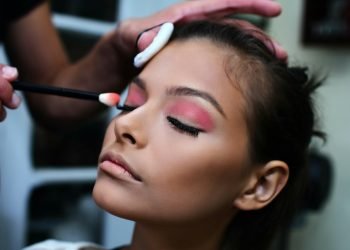

When it comes to applying makeup, the tools you use can make a world of difference in the final result. Brushes and sponges are two of the most popular makeup tools on the market, each offering unique benefits for achieving different looks and finishes. Choosing the right tool for your makeup application can be confusing, especially given the wide range of options available. Whether you’re a makeup novice or a seasoned pro, understanding the pros and cons of brushes versus sponges can help you make an informed decision that suits your skin type, makeup preferences, and desired finish.
In this essay, we will explore the advantages and disadvantages of both brushes and sponges, as well as provide guidance on how to choose the right tool for your makeup routine. Let’s dive into the world of makeup tools and understand which one works best for different applications.
1. The Makeup Brush: Precision and Versatility
Brushes are arguably the most traditional makeup tools and are often seen as a must-have for professional makeup artists. Brushes come in a wide variety of shapes, sizes, and materials, each designed for specific applications. Whether you’re applying foundation, eyeshadow, or blush, there’s likely a brush designed to make the job easier and more precise.
Advantages of Brushes
- Precision and Control: Brushes offer more precision and control, allowing you to apply makeup in a more targeted way. Whether you’re applying a thin layer of foundation or blending eyeshadow into the crease of your eyelids, brushes allow you to work in fine detail.
- Variety of Styles for Different Needs: Brushes come in an array of types, each suited for different makeup applications. Flat foundation brushes provide an even, streak-free application, while tapered brushes help achieve a more sculpted look when applying blush or contour. Small brushes can be used to define the eyebrows, while fluffy brushes are perfect for blending powder products.
- Better for Powder Products: Brushes excel in applying powder-based products such as powder foundation, setting powder, and eyeshadow. Their bristles help to pick up and distribute powder formulas evenly without packing on too much product. For example, a fluffy brush is great for applying a translucent setting powder, while an angled brush works well for contouring.
- No Absorption of Product: Brushes tend to be more efficient when it comes to applying liquid or cream makeup, as they don’t absorb as much product as sponges. This ensures that you get the most out of your foundation or concealer.
Disadvantages of Brushes
- Possible Streaking: One of the main disadvantages of using brushes for liquid makeup is the potential for streaking. If you’re not careful, you may end up with visible brush strokes on your face, particularly with foundation. Using a brush that is too stiff or not properly blended can leave an uneven finish, especially when applying thicker products.
- Maintenance: Brushes require regular cleaning to ensure that they remain free of bacteria, dust, and makeup buildup. Cleaning brushes can be a time-consuming task, as they need to be thoroughly washed and dried before reuse. If brushes are not cleaned regularly, they can cause breakouts or skin irritation.
- Can Be Expensive: High-quality brushes can be expensive, especially if you’re building a complete collection of makeup tools. While you don’t need an entire arsenal of brushes, having several brushes for different makeup applications can add up.
2. The Makeup Sponge: Blending and Hydration
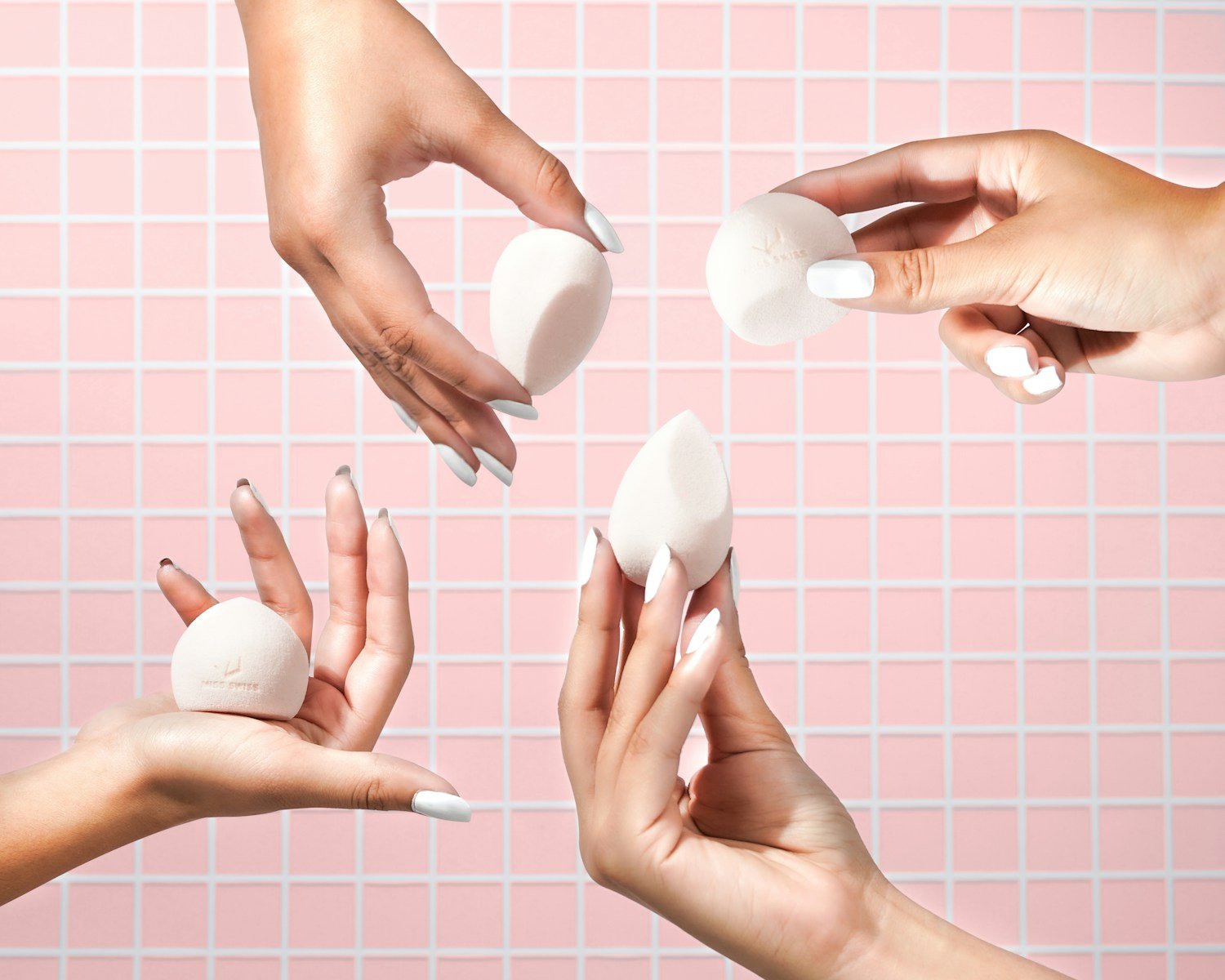
Makeup sponges have surged in popularity over the last decade, thanks in large part to the viral success of the Beautyblender. These soft, pliable tools are loved for their ability to create a seamless, airbrushed finish that is hard to achieve with a brush alone. Sponges are typically used for liquid or cream products, and their unique texture makes them ideal for blending.
Advantages of Sponges
- Seamless Blending: Sponges are known for their ability to blend makeup seamlessly into the skin. Whether you’re applying foundation, concealer, or cream blush, a sponge helps to push the product into the skin, creating a smooth and natural-looking finish. The stippling motion that comes with using a sponge helps prevent streaking and provides an airbrushed effect.
- Buildable Coverage: Makeup sponges are perfect for achieving buildable coverage. Because they don’t absorb too much product, you can layer foundation without it looking cakey. The sponge will absorb any excess product, ensuring a more natural appearance while still allowing you to build up coverage where needed.
- Dewy Finish: Unlike brushes, which can sometimes leave a matte or powdery finish, sponges work wonders for achieving a dewy or radiant look. Their soft, moist texture ensures that foundation and cream products blend well, leaving skin looking fresh and hydrated.
- Ease of Use: Makeup sponges are relatively easy to use, even for beginners. The sponge’s versatility allows you to apply makeup quickly and efficiently, without the need for detailed technique. This makes them ideal for those who want a quick, flawless finish.
Disadvantages of Sponges
- Absorption of Product: One of the most significant drawbacks of makeup sponges is that they absorb a considerable amount of product, especially when used with liquid or cream foundations. This can result in wasted product and the need for more frequent reapplication.
- Requires Dampening: To get the best results with a sponge, it needs to be dampened before use. This means you need to keep your sponge clean and moist at all times, which may not always be convenient, particularly if you’re on the go.
- More Frequent Cleaning: Like brushes, sponges need to be cleaned regularly. The porous texture of a sponge makes it more susceptible to bacteria buildup, which can lead to skin issues if it’s not washed thoroughly. Sponges also tend to deteriorate faster than brushes, so they may need to be replaced more often.
- Can Be Messy: Sponges can be messy to use, particularly when applying liquid makeup. The excess product that is absorbed can drip or spill, requiring more effort to clean up. Additionally, sponges can leave residue behind on your hands and the makeup surface, leading to potential messes in your makeup bag or countertop.
3. Which Tool Is Right for You?
Choosing between a brush and a sponge ultimately comes down to your personal preferences, makeup needs, and the type of finish you desire. Here are a few factors to consider when deciding which tool to use:
Consider Your Skin Type
If you have oily skin, a brush may be your best bet for applying powder products, as brushes are great at creating a matte finish and controlling shine. If you have dry skin, a sponge might be more suited to your needs, as it provides a dewy, hydrated finish.
Consider the Type of Product
Brushes are ideal for powders, bronzers, and blushes, while sponges are better for liquid and cream products. If you frequently use foundation or concealer, a sponge will give you a smooth, airbrushed finish. If you’re using powders or prefer a more structured application, then brushes will serve you better.
Desired Finish
If you’re aiming for a natural, light finish, a sponge will provide a soft, buildable coverage. Brushes tend to give a more polished or precise look, which can be ideal for contouring and highlighting.