
Fashion is an art that allows individuals to express themselves and their personal style through the way they dress. One of the most effective ways to elevate an outfit and create a more dynamic and polished look is by using layers. Layering is a technique that involves combining different pieces of clothing in a way that adds dimension, texture, and visual interest to an outfit. Whether it’s mixing and matching clothing items, playing with colors and fabrics, or adjusting for the season, layering can completely transform a simple look into something that appears carefully curated and sophisticated.
In this essay, we will explore how to use layers effectively to add depth to your outfits, focusing on the essential principles of layering, the different types of layers to incorporate, and tips for balancing comfort and style. From basic layering techniques to creative approaches, understanding how to layer clothing properly is key to developing a versatile, stylish wardrobe that works for various occasions and seasons.
The Art of Layering: Why It Works
Layering clothing is not just about throwing on multiple garments; it’s about adding visual interest and balancing proportions. One of the main reasons layering works so well is that it creates a sense of depth, which draws attention to various parts of the outfit and prevents it from looking flat or monotonous. By strategically choosing pieces of varying lengths, textures, and shapes, layers can also help you create a more flattering silhouette, add warmth or comfort, and provide an opportunity to experiment with different styles.
A well-layered outfit can also demonstrate a sense of thoughtfulness and sophistication. It allows you to mix and match pieces that may not be typically worn together but still come together seamlessly. From blazers to cardigans, scarves, and statement coats, layering offers a way to create unique looks that can be personalized to suit your style, mood, and the occasion.
Building the Base: The Foundation of Layering
The first step in layering is establishing a solid foundation. This typically involves starting with a fitted base layer that works well with the rest of the outfit. The base layer is usually close to the body, comfortable, and acts as the core piece of the ensemble. For example, a well-fitted t-shirt, tank top, or blouse can serve as the foundation of your outfit, providing both comfort and a smooth silhouette for the rest of the layers to sit on top of.
The key to a successful base layer is simplicity. The base layer should be versatile and not draw too much attention to itself, as it sets the tone for the layers above. Neutral colors such as white, beige, black, or grey are typically chosen for this purpose, as they can easily blend with other pieces. For colder weather, a long-sleeve shirt or sweater can serve as the base layer, providing additional warmth while maintaining a streamlined look.
Adding Dimension: Mid-Layers and Outer Layers
Once you have established a solid base, it’s time to add dimension through mid-layers and outer layers. Mid-layers are the garments worn over the base layer that provide extra coverage, warmth, and texture. Outer layers, on the other hand, are the finishing pieces that bring the entire outfit together and often make a strong statement. Both layers serve a crucial role in adding depth and personality to the outfit.
Mid-Layers: Shirts, Blazers, and Sweaters
Mid-layers are the perfect way to experiment with different textures, colors, and styles. For example, a button-down shirt or a lightweight cardigan can be worn over a t-shirt or blouse, offering more texture and depth without overwhelming the overall look. A collared shirt underneath a sweater or a blazer can add an additional layer of sophistication, making the outfit look intentional and well-thought-out.
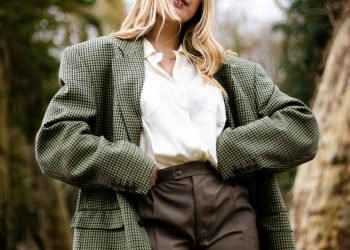
Blazers, cardigans, and lightweight jackets work wonderfully as mid-layers. A well-fitted blazer adds structure to the outfit, creating sharp lines and a polished appearance. Meanwhile, a cozy cardigan can lend a casual yet elevated feel, especially when worn over a simple base layer like a tank top or blouse. The key is to ensure that the mid-layer complements the base layer without adding too much bulk.
Outer Layers: Coats, Jackets, and Statement Pieces
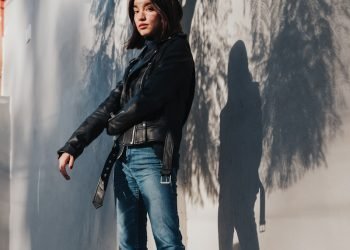
Outer layers are typically the finishing touches that complete your layered look. A well-chosen outer layer, such as a structured coat, leather jacket, or denim jacket, can provide both style and practicality, especially when layering for colder weather. Outer layers can be used to make a bold statement by incorporating patterns, bright colors, or oversized shapes. For example, a long trench coat or a wool overcoat can instantly elevate an outfit, creating a sophisticated and elegant appearance. On the other hand, a moto jacket or denim jacket adds a cool, relaxed vibe to the outfit.
When choosing an outer layer, consider the overall silhouette of the outfit. For example, if you have a more fitted base and mid-layer, an oversized outer layer can balance the proportions and add drama. Conversely, if you’re wearing looser or baggier clothing underneath, opting for a more fitted outer layer can create a more cohesive and streamlined look.
Mixing Textures and Fabrics: Adding Visual Interest
One of the most exciting aspects of layering is the opportunity to mix and match different textures and fabrics. By doing so, you can create a more dynamic and visually appealing outfit. Combining fabrics such as denim, leather, wool, silk, and cotton adds richness to the overall look, as each texture reflects light differently and creates varying levels of depth.
For instance, pairing a soft cashmere sweater with a leather jacket can create an interesting contrast between softness and structure. Mixing a chunky knit scarf with a sleek wool coat can add texture while maintaining a polished and cohesive appearance. Similarly, pairing a denim jacket with a flowy silk blouse creates a relaxed yet chic look. The key is to experiment with textures that complement each other while adding dimension to the outfit.
Playing with Proportions: Layering for Balance
While layering is about adding depth, it is also about balance. Playing with proportions is essential when it comes to creating a flattering silhouette. A successful layered outfit should avoid overwhelming the wearer with too many bulky pieces or mismatched proportions.
One way to achieve balance in a layered look is to mix different lengths. For example, if you are wearing a long overcoat, pair it with a shorter dress or top underneath to prevent the outfit from looking too heavy. Alternatively, if you’re layering multiple pieces of varying lengths, make sure that the layers don’t compete with each other. A general rule of thumb is that one piece in the outfit should be the focal point, while the other layers should complement it and add subtle depth.
Additionally, it’s important to consider the fit of each piece. A flowy, oversized outer layer can look great with more fitted pieces underneath, creating contrast and visual interest. However, if the base and mid-layers are both loose-fitting, it’s essential to adjust the outer layer for balance, such as opting for a more structured or fitted piece to avoid looking shapeless.
Layering for Different Seasons
One of the main advantages of layering is that it allows for year-round style versatility. While layering is most often associated with colder months, it can be an essential technique for the warmer seasons as well. In the summer, layering light fabrics like linen, cotton, and sheer materials can add interest and depth without overwhelming the outfit. A light cardigan over a summer dress or a denim jacket worn with shorts can transform a simple look into something more polished.
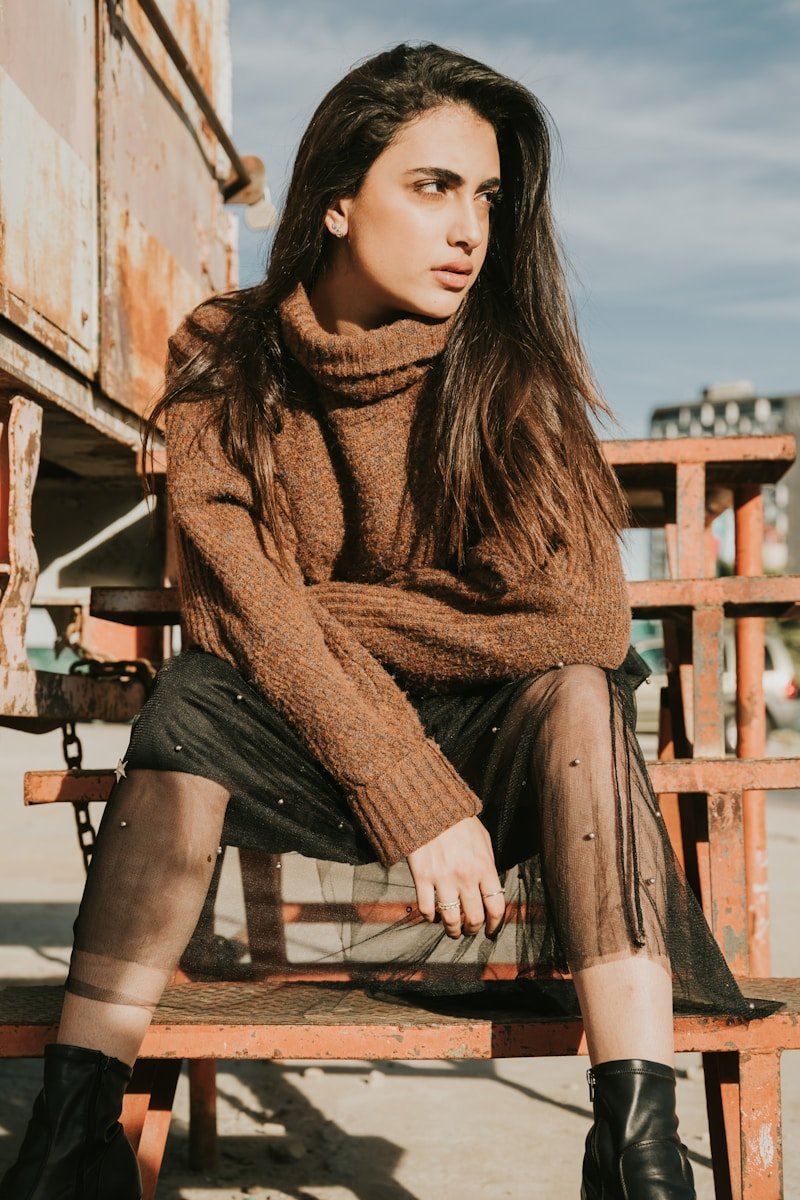
In colder months, layering becomes crucial for warmth, but it also provides more opportunities to experiment with cozy, textured pieces. Chunky sweaters, wool scarves, and oversized coats can be layered in creative ways to keep you warm while still looking stylish.