
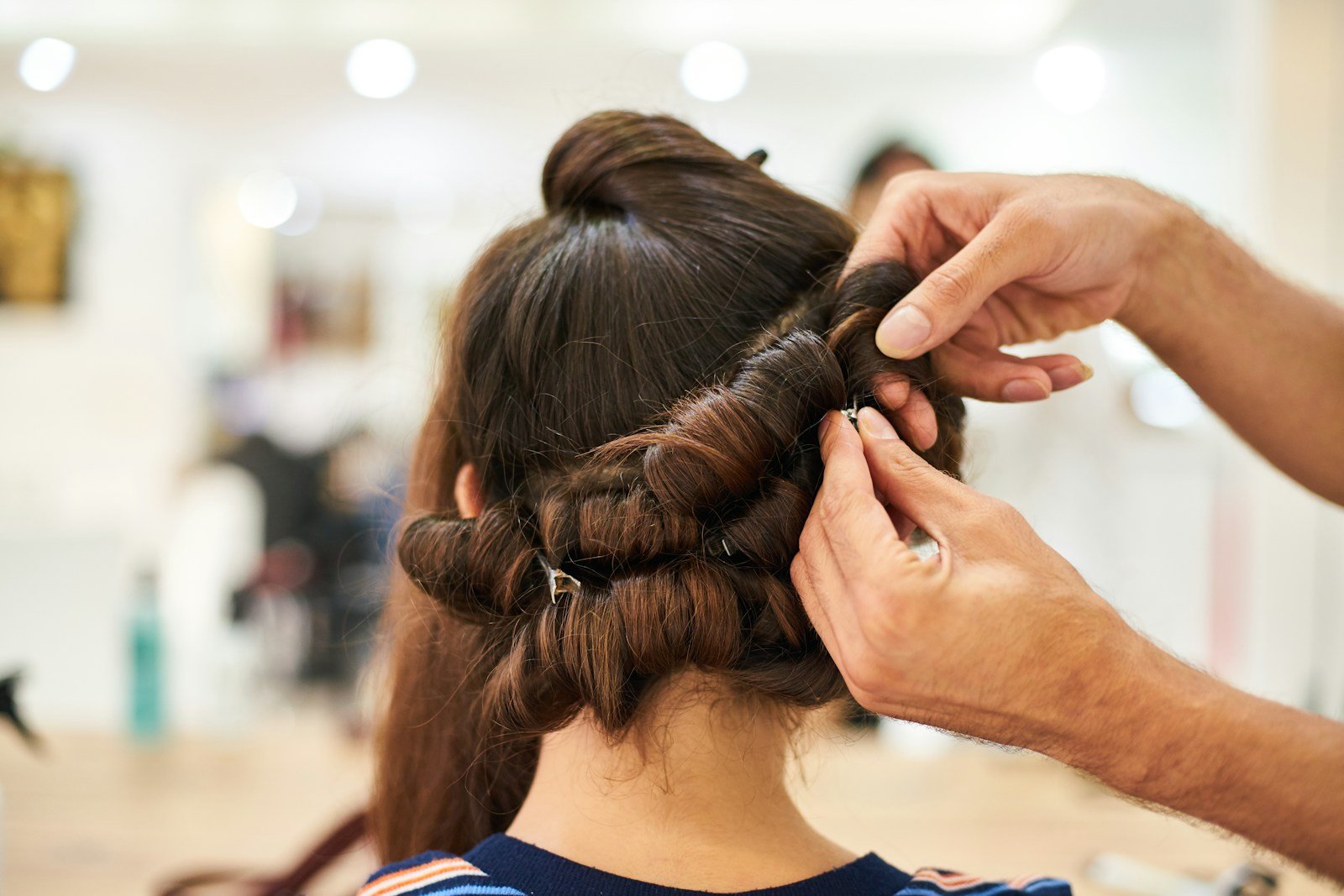
Having long, luscious hair is a beauty ideal that many people aspire to achieve. While genetics certainly play a role in hair growth, your hair care routine can make a significant impact on the health and appearance of your locks. Whether you’re aiming to grow your hair longer or simply want to keep it healthy and shiny, the right hair care tips can help you achieve your goal. This essay will explore effective ways to care for your hair, offering advice on how to promote healthy hair growth, prevent damage, and maintain vibrant, beautiful tresses.
Understanding Hair Growth and Health
Before diving into hair care tips, it’s important to understand how hair growth works and the factors that influence it. The hair on your head grows in cycles, with each strand going through a growth phase (anagen), a resting phase (telogen), and a shedding phase (catagen). On average, hair grows about half an inch per month, or six inches per year, but this can vary depending on factors such as genetics, diet, health, and environmental influences.
While your hair growth cycle is largely influenced by genetics, maintaining good scalp health and avoiding hair damage are key factors that can help promote longer, healthier hair. Poor scalp health can impede the growth cycle, while damage from heat styling, chemicals, and rough handling can cause breakage, split ends, and thinning. With the right care, you can optimize your hair’s growth potential and prevent the common issues that prevent it from reaching its fullest length.
1. Proper Washing and Conditioning Techniques
One of the most fundamental aspects of hair care is proper washing and conditioning. Over-washing or under-washing your hair can both lead to problems such as dryness, oiliness, or scalp irritation. The key is to find a balance that works for your hair type and needs.
- Washing Frequency: If you have oily hair, you may need to wash it more frequently to remove excess oil. On the other hand, if you have dry or curly hair, washing it too often can strip it of its natural oils, leading to dryness and breakage. For most hair types, washing your hair every two to three days is ideal. However, some people with particularly dry hair may benefit from washing only once a week, while others with very oily hair may need to wash daily.
- Shampoo Selection: Choose a shampoo that suits your hair type. For long hair, look for gentle shampoos that cleanse without stripping natural oils. If you have color-treated hair, opt for sulfate-free shampoos, as sulfates can cause color to fade more quickly. For dry or damaged hair, nourishing shampoos with hydrating ingredients like argan oil, shea butter, or coconut oil can provide much-needed moisture.
- Conditioning: Conditioning is a crucial step in maintaining long, luscious locks. Always apply conditioner after shampooing to help restore moisture and detangle your hair. Be sure to focus on the ends of your hair, as this area tends to be drier and more prone to damage. If you have particularly dry or damaged hair, consider using a deep conditioning treatment once a week to restore moisture and repair split ends.
- Rinse with Cold Water: After conditioning, rinse your hair with cold water. This helps seal the cuticle, promoting shine and reducing frizz. While it may not be the most comfortable, cold water helps your hair retain moisture and prevents the shampoo and conditioner from stripping your strands of essential oils.
2. Avoiding Heat and Chemical Damage
Excessive heat styling and chemical treatments can lead to hair damage, split ends, and breakage, making it more difficult to grow your hair long and healthy. Here are some strategies to minimize damage from heat and chemicals:
- Limit Heat Styling: Blow dryers, flat irons, and curling irons can cause your hair to lose moisture and become brittle over time. Try to limit the use of these tools and, when you do use them, always apply a heat protectant spray or serum beforehand. Heat protectants create a barrier between your hair and the styling tools, helping to reduce the risk of damage.
- Use Heat Tools on Low Settings: If you need to use heat styling tools, always opt for the lowest setting that still achieves your desired style. High heat can cause irreversible damage to your hair cuticles, making it harder for your hair to retain moisture and shine. Using lower heat will help prevent this while still allowing you to style your hair.
- Avoid Chemical Treatments: Chemical treatments like hair coloring, perming, or relaxing can weaken hair over time, leading to breakage and thinning. If you want to maintain long, healthy hair, it’s best to minimize the use of harsh chemicals. If you do color your hair, opt for natural hair dyes, and make sure to condition regularly to restore any moisture that may have been lost.
- Trim Regularly: While it may seem counterintuitive, trimming your hair regularly is essential for maintaining length. Regular trims prevent split ends from traveling up the hair shaft and causing further breakage. A small trim every 8–12 weeks is generally recommended, especially if you’re trying to grow your hair out.
3. Nourishing from the Inside Out
Healthy hair starts from within, so what you put into your body can have a significant impact on the condition of your locks. A balanced diet rich in vitamins and minerals is essential for promoting healthy hair growth and preventing damage.
- Eat a Protein-Rich Diet: Hair is made up of keratin, a protein, so it’s crucial to include plenty of protein in your diet. Foods like eggs, fish, beans, and lean meats provide the building blocks your body needs to produce strong, healthy hair. Vegetarians and vegans can opt for plant-based sources of protein like quinoa, tofu, and lentils.
- Incorporate Omega-3 Fatty Acids: Omega-3 fatty acids are essential for maintaining the health of your hair follicles and scalp. These healthy fats can be found in foods like salmon, walnuts, chia seeds, and flaxseeds. Omega-3s help promote circulation to the scalp, which in turn supports hair growth.
- Vitamins and Minerals: Several vitamins and minerals are crucial for healthy hair. Vitamin E helps improve blood circulation to the scalp, while vitamin A supports the production of sebum, the natural oil that keeps your hair moisturized. Biotin and zinc are also important for hair growth, as they strengthen hair and prevent hair loss.
- Hydration: Just like your skin, your hair needs proper hydration to thrive. Make sure you’re drinking enough water throughout the day to keep your hair and scalp hydrated. Dehydration can lead to dry, brittle hair that is more prone to breakage.
4. Protecting Your Hair from Environmental Stressors
Environmental factors such as pollution, UV rays, and harsh weather conditions can all damage your hair over time. Taking steps to protect your hair from these stressors is crucial for maintaining its health and vitality.
- Protect from the Sun: UV rays can weaken the hair’s structure, leading to color fading and dryness. To protect your hair from the sun, wear a hat or use hair products that contain UV filters. Some leave-in conditioners and serums offer UV protection, so look for products with these added benefits.
- Avoid Overexposure to Chlorine: Chlorine in swimming pools can be particularly damaging to hair, causing it to become dry, brittle, and discolored. If you swim regularly, wear a swimming cap or apply a leave-in conditioner to create a barrier against chlorine. After swimming, rinse your hair thoroughly and use a deep conditioner to restore moisture.
- Keep Your Hair Covered in Harsh Weather: Cold weather can cause hair to become dry and brittle, while high winds can lead to tangling and breakage. During the winter months, consider wearing a scarf or hat to protect your hair from the elements. In the summer, cover your hair to prevent sun damage, especially if you have color-treated hair.
5. Scalp Care: The Foundation for Healthy Hair
A healthy scalp is the foundation for long, luscious hair. If your scalp is dry, oily, or clogged, it can inhibit hair growth and lead to various issues such as dandruff, itching, and hair thinning. Here are a few tips for maintaining a healthy scalp:
- Exfoliate Your Scalp: Just like your skin, your scalp can benefit from occasional exfoliation. Scalp scrubs or clarifying shampoos can help remove buildup from hair products, excess oil, and dead skin cells. This promotes a clean and healthy environment for hair growth.
- Massage Your Scalp: Scalp massages help stimulate blood circulation, which can improve the delivery of nutrients to the hair follicles and encourage hair growth. Gently massage your scalp for a few minutes every day, using your fingertips or a scalp massaging tool.
- Use Scalp Treatments: Consider using scalp treatments that focus on hydration and nourishment. Natural oils like tea tree oil, jojoba oil, or peppermint oil can help balance oil production, soothe irritation, and promote healthy hair growth.