

Hair breakage is a common concern that affects people of all hair types and textures. Whether it’s caused by environmental factors, chemical treatments, or poor hair care habits, dealing with hair breakage can be frustrating. The good news is that, with the right strategies and treatments, hair breakage can often be prevented and managed effectively. In this article, we’ll explore the causes of hair breakage and provide helpful tips for both preventing and treating it, so you can enjoy healthier, stronger hair.
Understanding Hair Breakage
Before we dive into prevention and treatment, it’s important to understand what hair breakage is and why it occurs. Hair breakage happens when the hair shaft weakens and snaps, often leading to split ends or uneven lengths. Unlike hair loss, which involves the shedding of hair from the scalp, breakage occurs along the length of the hair itself. The result is frizzy, brittle, and sometimes sparse-looking hair.
Several factors contribute to hair breakage, including:
- Overuse of heat styling tools: Frequent use of flat irons, curling irons, and blow dryers can strip the hair of moisture, leading to weakened strands that are more prone to breakage.
- Chemical treatments: Hair coloring, perming, and chemical straightening can alter the structure of the hair, making it more fragile.
- Lack of moisture: Dry hair is more likely to break, as moisture is necessary to keep the hair shaft flexible and strong.
- Improper handling: Rough brushing, tight hairstyles, and harsh towel drying can cause mechanical damage to the hair.
- Environmental damage: Exposure to sun, wind, and pollutants can cause hair to become dry, brittle, and prone to breakage.
By understanding these causes, you can take proactive steps to reduce the risk of hair breakage and keep your hair looking healthy.
Tips for Preventing Hair Breakage
1. Moisturize Regularly
One of the most effective ways to prevent hair breakage is by keeping your hair well-moisturized. Dry hair is more likely to snap and break, so regular moisturizing is crucial to maintaining its strength. Use hydrating shampoos, conditioners, and leave-in treatments to keep your hair soft, supple, and less prone to damage.
Look for products that contain natural oils like argan oil, coconut oil, or jojoba oil, which are known for their moisturizing properties. If you have particularly dry hair, consider using deep conditioning treatments or hair masks once or twice a week to replenish moisture.
2. Avoid Heat Styling Tools
Heat styling tools like straighteners, curling irons, and blow dryers are notorious for causing hair breakage. The high temperatures can strip the hair of its natural moisture, leading to dry, brittle strands. To prevent breakage, it’s important to limit the use of heat styling tools. If you must use them, always apply a heat protectant spray beforehand to minimize damage.
Additionally, try to embrace your natural hair texture by experimenting with air-drying techniques or using heat-free styling methods like braiding your hair for waves or using rollers for curls.
3. Be Gentle When Brushing
Brushing your hair aggressively or using the wrong type of brush can cause mechanical damage and lead to breakage. To avoid this, always use a wide-toothed comb or a brush with soft bristles. Start by gently detangling the ends of your hair and work your way up to the roots. This technique helps prevent putting too much tension on the hair shaft.
It’s also essential to brush your hair when it’s dry, as wet hair is more elastic and prone to stretching and snapping. If you must detangle your hair when it’s wet, use a wide-toothed comb or a detangling brush designed for wet hair.
4. Avoid Tight Hairstyles
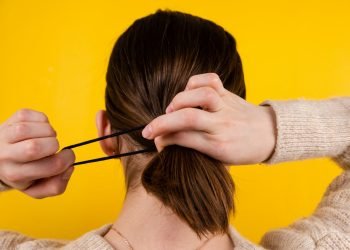
Wearing tight hairstyles, such as ponytails, braids, or buns, can lead to tension on the hair and cause breakage over time. If these styles are worn regularly, the stress on the hair can weaken it, especially around the hairline and temples. To prevent breakage, try to wear looser hairstyles that don’t pull too tightly on the hair.
If you prefer to wear your hair in a ponytail, use a fabric-covered elastic band rather than a rubber band, which can cause friction and breakage. You can also alternate your hairstyles to give your hair a break from constant pulling and tension.
5. Trim Your Hair Regularly
Regular trims are essential for preventing and treating hair breakage. Split ends are a common result of hair breakage, and if left untrimmed, they can continue to travel up the hair shaft, causing even more damage. By trimming your hair every 6-8 weeks, you can eliminate split ends and keep your hair looking healthy.
If your hair is particularly damaged, consider getting a more substantial trim to remove any weakened areas. You can also ask your stylist to use a technique called “dusting,” which involves removing only the very tips of your hair to eliminate split ends without sacrificing length.
6. Protect Your Hair from the Elements
Environmental factors like sun exposure, wind, and pollution can weaken the hair shaft, making it more prone to breakage. To protect your hair from these elements, consider wearing a hat or scarf when outdoors, especially during hot summer months or when it’s particularly windy.
Additionally, if you swim in chlorinated pools, make sure to wear a swim cap to prevent chlorine from drying out your hair. If you spend a lot of time in the sun, consider using hair products that contain UV protection to shield your strands from harmful rays.
7. Choose the Right Hair Care Products
Not all shampoos, conditioners, and styling products are created equal. To reduce the risk of hair breakage, choose hair care products that are formulated for your hair type and that nourish and protect your strands. Look for sulfate-free shampoos, which are gentler on the hair and scalp and help retain moisture.
For extra nourishment, consider using products that contain keratin, which strengthens the hair and helps repair damaged strands. If you have color-treated hair, use color-safe products to maintain the integrity of your hair while keeping it moisturized and strong.
Treatments for Hair Breakage
Even with the best prevention techniques, some people may still experience hair breakage. If you’re already dealing with damaged hair, there are several treatments that can help restore strength and reduce further breakage.
1. Deep Conditioning Treatments
Deep conditioning treatments are excellent for repairing and moisturizing damaged hair. These treatments are typically thicker and more concentrated than regular conditioners and can penetrate deeper into the hair shaft to nourish and strengthen the strands. Look for deep conditioning masks that contain ingredients like shea butter, argan oil, or protein complexes to help restore the hair’s natural elasticity and prevent further breakage.
2. Protein Treatments
Protein treatments can help rebuild the structure of damaged hair by filling in gaps in the hair shaft. These treatments work by strengthening the hair from the inside out, making it less prone to breaking. If your hair has been damaged by chemical treatments or excessive heat styling, a protein treatment can be a great way to restore its strength and resilience.
However, it’s important to note that too much protein can lead to dry and brittle hair, so it’s best to use protein treatments in moderation. If your hair is in need of extra protein, try using a protein-rich mask once a week or every two weeks, depending on the level of damage.
3. Oils for Repair
Natural oils like coconut oil, argan oil, and olive oil are excellent for treating hair breakage. These oils are rich in nutrients and can help moisturize the hair while sealing in moisture to prevent further damage. Apply oil to the ends of your hair or use it as a pre-shampoo treatment to help nourish dry, brittle strands.
For a more intensive repair, consider using an overnight oil treatment. Simply apply a generous amount of oil to your hair, wrap it in a towel or shower cap, and leave it overnight. The next morning, wash and condition as usual to reveal softer, more manageable hair.
4. Hair Serums and Leave-In Conditioners
For those dealing with mild to moderate breakage, hair serums and leave-in conditioners can provide added protection and moisture throughout the day. These products help smooth the hair cuticle, reducing friction and preventing further damage. Look for products that are lightweight yet effective in providing long-lasting hydration and shine.
Hair serums are especially beneficial for those with frizzy hair, as they help control flyaways and smooth out the hair, making it less likely to break or become tangled.