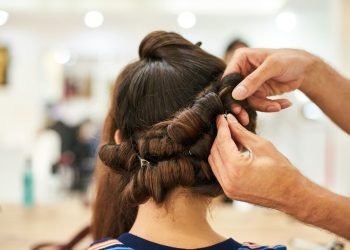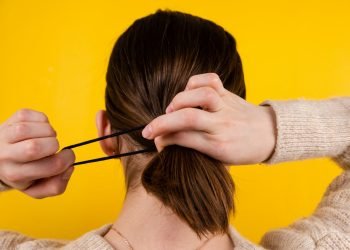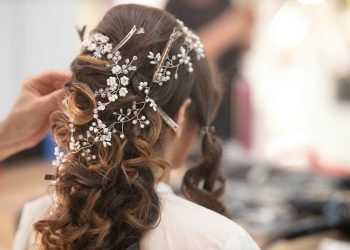


Braiding hair is one of the oldest and most versatile hairstyles in the world. From simple everyday styles to intricate, elegant designs, braids can be used to express creativity, practicality, and cultural significance. While braiding may seem like a daunting task at first, with patience, practice, and the right techniques, anyone can master the art of braiding. This essay explores the essentials of braiding, offering tips, tricks, and step-by-step instructions to help you become a braiding expert.
The Basics of Braiding
Before diving into the various types of braids, it’s essential to understand the basic mechanics of braiding. A braid is created by interlacing three (or more) strands of hair in a specific pattern. The most common braids use three strands, but more complex braids, such as French or fishtail braids, can involve more intricate techniques and multiple strands.
To begin, it’s important to have clean, manageable hair. Braiding works best on hair that’s free of tangles, so start by detangling your hair with a wide-tooth comb or your fingers. If your hair is fine or slippery, consider applying a bit of texturizing spray or light mousse to add grip and make the process easier.
The Three-Strand Braid: The Foundation of Braiding
The three-strand braid is the fundamental braid that every beginner should learn first. Once you’re comfortable with this basic style, you can move on to more advanced techniques. Here’s a simple guide to creating a traditional three-strand braid:
- Divide your hair into three equal sections. Hold one section in each hand, with the third section resting in the middle.
- Cross the right section over the middle section. Now, the right section becomes the middle section.
- Cross the left section over the new middle section. Now, the left section is the middle section.
- Continue this pattern: right over middle, left over middle, until you reach the end of the hair. Keep the sections tight and even for a neat and uniform braid.
- Secure the braid with a hair tie or elastic band at the end. If you want to add an extra touch, you can use a ribbon or decorative band to secure the braid.
Once you’ve mastered the basic three-strand braid, practice until you can do it quickly and evenly. Once you’re confident with this, you can experiment with different variations of braids.
The French Braid: A Step Up
The French braid is a classic and elegant braid that adds a sophisticated touch to your hairstyle. Unlike the traditional three-strand braid, a French braid begins at the crown of the head and gradually incorporates more sections of hair as you work your way down. This braid is ideal for keeping hair out of your face and is perfect for both casual and formal occasions. Here’s how to master the French braid:
- Start at the top of your head and divide your hair into three equal sections.
- Begin with a traditional three-strand braid, but after each cross, pick up a small section of hair from the sides of the head and add it to the braid.
- Continue adding sections of hair to each strand as you braid down. As you move downward, your braid will gradually grow in size, and the additional strands will make it appear more intricate.
- When you reach the nape of your neck, continue braiding the remaining hair as a regular three-strand braid.
- Secure the braid at the end with a hair tie or elastic band.
One of the secrets to mastering the French braid is maintaining tension. The braid should remain firm but not so tight that it causes discomfort or pulls on the scalp. Over time, you’ll develop the ability to create even, smooth French braids that hold their shape throughout the day.
The Dutch Braid: A Bold Variation
The Dutch braid is often referred to as the “reverse French braid” because the braid protrudes outward instead of lying flat against the head. This style creates a more prominent, bold look that can be ideal for sporting events, festivals, or everyday wear. Here’s how to create the Dutch braid:
- Start at the top of your head and divide your hair into three sections, as you would for a French braid.
- Begin braiding the right strand under the middle strand, followed by the left strand under the middle strand.
- Add new sections of hair to each side of the braid as you go, making sure to keep the sections tight and even.
- Continue braiding down, adding more hair until you reach the nape of your neck.
- Finish the braid with a traditional three-strand braid and secure it with a hair tie.
The Dutch braid gives a bold, defined appearance and can be styled in many variations, including two Dutch braids or a single braid that travels all the way down the back.
The Fishtail Braid: A Unique Twist
The fishtail braid is another popular braid that’s distinguished by its intricate, delicate look. Unlike traditional braids, which use three sections of hair, the fishtail braid uses only two strands, creating a more intricate and unique appearance. Here’s how to create a fishtail braid:
- Divide your hair into two equal sections.
- Take a small strand from the outer side of the left section and cross it over to the right section.
- Take a small strand from the outer side of the right section and cross it over to the left section.
- Continue alternating by taking small strands from the outer edges of each section and crossing them over to the opposite side.
- Secure the braid at the end with an elastic band.
The key to creating a beautiful fishtail braid is consistency and patience. Take your time and make sure the strands are pulled tightly to avoid loose sections. The fishtail braid is especially popular for formal events or when you want a more elegant, polished look.
The Four-Strand and Five-Strand Braid: For Advanced Braiders
Once you’ve mastered the basics of braiding, you can challenge yourself by experimenting with four-strand and five-strand braids. These braids are more intricate and require a steady hand and careful attention. Here’s a brief overview of how to create a four-strand braid:
- Divide your hair into four sections.
- Cross the second section over the first, followed by crossing the fourth section over the third.
- Now, take the first section and cross it under the second section.
- Continue crossing sections in the same pattern until you reach the end, securing the braid with an elastic band.
A five-strand braid follows a similar pattern, but with five sections instead of four. The complexity of these braids creates a more textured, defined appearance that stands out and looks sophisticated.
Tips for Perfect Braids
- Practice makes perfect: Braiding is a skill that improves with practice. Don’t be discouraged if your first few attempts are imperfect. With time, you’ll develop muscle memory and your braids will become smoother and more consistent.
- Keep your sections even: One of the biggest challenges in braiding is maintaining evenly sized sections. Try to divide your hair into sections as evenly as possible to avoid one side being thicker or thinner than the other.
- Use the right tools: Depending on the texture of your hair, you may need different tools. For thick or curly hair, you may want to use a detangling brush or a texturizing spray to keep your hair in place. For fine or slippery hair, consider using a mousse or hair gel to provide some grip.
- Experiment with different styles: Once you’re comfortable with basic braids, experiment with different variations. Try combining braids, creating asymmetrical designs, or adding accessories like ribbons, beads, or clips to add a unique flair to your look.