
Layering clothing is both a practical and fashionable technique that can elevate your wardrobe to new heights. Whether you’re trying to stay warm in winter or make a bold style statement in spring, knowing how to layer your clothes correctly is key to achieving both comfort and style. While layering may seem simple—throwing on an extra shirt or jacket—it requires careful thought and consideration to get it just right. The art of layering isn’t just about adding more clothing; it’s about creating an outfit that’s both functional and visually appealing, with every piece working in harmony.
Layering offers the unique ability to play with textures, colors, shapes, and fabrics, creating a variety of looks that can express your personality while keeping you comfortable. It’s also a versatile technique that allows you to transition seamlessly between different seasons, creating an outfit that suits changing weather conditions without sacrificing style. In this essay, we’ll explore the essential principles of layering clothes, including tips for mastering the technique, choosing the right fabrics, and mixing styles in a way that maximizes both comfort and fashion.
1. Start with the Basics: Building a Strong Foundation
When it comes to layering, the first step is to create a strong foundation. The base layer is the clothing piece that sits closest to your skin, such as a t-shirt, tank top, or fitted blouse. This layer plays a critical role in both comfort and functionality, as it provides the foundation upon which all other layers are built. Choosing the right fabric for your base layer is essential for ensuring that you remain comfortable throughout the day.
- Breathable Fabrics: Opt for fabrics that breathe well, such as cotton, merino wool, or moisture-wicking materials. These fabrics allow air to circulate, preventing you from overheating while also ensuring that any sweat or moisture doesn’t build up on your skin. This is particularly important if you live in an area with fluctuating temperatures, as it ensures your skin stays comfortable, no matter how many layers you add.
- Form-Fitting Pieces: The base layer should ideally be form-fitting but not tight. A loose-fitting top might interfere with the fit and shape of the layers above it, creating a bulky silhouette. A snug fit will allow the other layers to fit neatly over it without unnecessary volume, which is particularly important when layering several pieces.
- Neutral Colors: For maximum versatility, it’s often best to stick to neutral colors like white, gray, or beige for your base layer. These colors provide a blank canvas that allows the rest of your layers to pop and keeps your outfit looking cohesive and well-put-together. However, feel free to incorporate a bit of color if your base layer is meant to be a statement piece.
2. The Middle Layer: Adding Warmth and Texture
The middle layer is where the fun happens. This layer is responsible for adding warmth and texture to your outfit while also serving as a key component of your overall look. Common middle layers include sweaters, cardigans, shirts, and light jackets. When choosing a middle layer, think about both the practical and aesthetic value of the piece.
- Mixing Textures: Layering different textures is one of the most effective ways to add depth and visual interest to your outfit. For example, a chunky knit sweater paired with a sleek leather jacket or a soft cotton blouse under a corduroy vest can create a striking contrast. Textured fabrics, such as cashmere, knit, fleece, or denim, work particularly well for the middle layer, as they not only add visual appeal but also offer extra warmth and comfort.
- Chunky vs. Lightweight: The middle layer should ideally be thicker than the base layer but lighter than the outer layer. This ensures that your outfit remains breathable while still providing the necessary warmth. For colder climates, heavier sweaters, wool cardigans, or flannel shirts are great options, while lightweight button-up shirts or long-sleeve t-shirts work well in milder temperatures.
- Consider Fit: Unlike the base layer, the middle layer can afford to be a bit looser or more relaxed in fit. A slightly oversized sweater or an unbuttoned jacket can add dimension to your outfit. Just be sure to balance the proportions—if your middle layer is voluminous, pair it with more fitted layers underneath or over it to avoid feeling swallowed by your clothing.
3. The Outer Layer: Creating a Statement
The outer layer is the final touch to your layered outfit, and this piece often serves as the focal point of your look. Whether it’s a coat, blazer, or statement jacket, the outer layer is the most visible and the most significant in terms of style impact. For maximum style, it’s essential to choose an outer layer that complements the layers underneath while also adding an element of interest or sophistication.
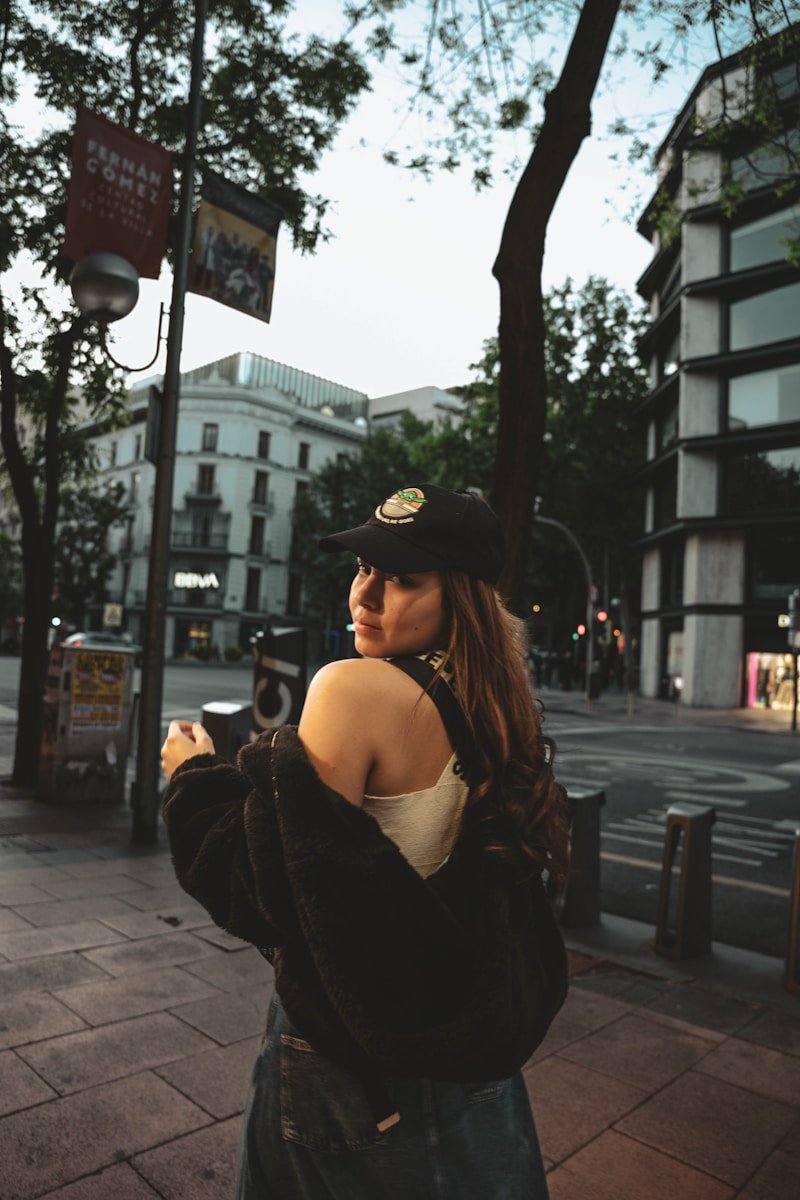
- Coats and Jackets: For the colder months, a classic wool coat, parka, or trench coat is essential for layering. These pieces not only keep you warm but can also define your silhouette and elevate your overall outfit. A tailored coat with a cinched waist can be both flattering and practical, while oversized jackets and trenches create a more relaxed, casual vibe.
- Blazers and Suits: A well-fitted blazer is the perfect way to add sophistication and structure to your layered outfit. Pair a blazer with a simple t-shirt and jeans, and suddenly, you have a smart-casual look that’s perfect for a day at the office or a casual lunch date. A well-constructed suit jacket can also serve as a fantastic outer layer for both professional and casual settings, as it brings an element of polish and sharpness to any outfit.
- Bold Prints and Colors: The outer layer is your opportunity to showcase your personality and play with bolder styles. Don’t be afraid to experiment with vibrant colors, patterns, or unique silhouettes. A brightly colored jacket or patterned coat can instantly make a statement, while neutrals like black, navy, and camel continue to be timeless and versatile.
4. Mixing and Matching: The Key to Harmonizing Layers
Once you’ve selected your base, middle, and outer layers, it’s time to think about how to mix and match them effectively. One of the biggest mistakes people make when layering is overloading their outfit with clashing pieces or creating a bulky silhouette that feels overwhelming. To avoid this, consider the following strategies:
- Color Coordination: Keep your color palette cohesive. While layering allows for mixing and matching different fabrics, it’s best to stick to a consistent color scheme that enhances the overall look. For example, if you’re layering a beige sweater with a gray jacket and black pants, you can add a pop of color with accessories like a red scarf or patterned gloves. This will add excitement to your outfit without overwhelming it.
- Proportions Matter: Balance the proportions of each layer. If your outer layer is long and oversized, pair it with more fitted layers underneath. Similarly, if you’re wearing a bulky sweater as your middle layer, opt for a slim-fit bottom to create a balanced silhouette. Playing with proportions ensures your outfit looks intentional and stylish, rather than haphazard and ill-fitting.
- Avoid Over-Accessorizing: Accessories are key to completing your layered look, but too many accessories can detract from the sleekness of your outfit. A statement necklace, scarf, or pair of boots can be enough to add interest without making your outfit feel crowded. Keep your accessories minimal and let your clothing layers do the talking.
5. Comfort Meets Style: Layering for Functionality
Layering is not just about creating visually interesting outfits; it’s about finding the balance between style and functionality. Each layer should contribute to your comfort and keep you feeling confident in your outfit throughout the day. Here’s how to prioritize comfort while layering:
- Layer for Temperature Control: In transitional seasons like fall and spring, layering allows you to adapt to changing weather conditions. You can remove layers if it gets too warm, or add them back on as temperatures drop. For instance, a light sweater and a vest can be paired together when it’s slightly chilly, and you can throw on a jacket if the temperature dips further.
- Fabric Choice for Comfort: The choice of fabrics plays a crucial role in ensuring your layers are both functional and comfortable. Fabrics like merino wool, cotton, and fleece provide warmth without adding too much bulk, while synthetic fabrics like polyester can trap moisture and cause discomfort. Pay attention to fabric blends that provide both breathability and warmth, so you’re always comfortable in your layered look.
- Wearability: Ultimately, layering is about creating outfits that are both fashionable and practical. Choose pieces that not only look good but also feel good. Comfort should never be sacrificed for style, so opt for fabrics and cuts that allow you to move freely and comfortably throughout your day.