
Fashion is constantly evolving, and one of the most dynamic ways to express personal style is through the art of mixing and matching prints. Gone are the days when matching outfits were seen as a necessity. Today, mixing prints is a bold fashion choice that can be both exciting and empowering, giving wearers the opportunity to create unique looks that stand out. While mixing prints might seem daunting to some, it is a technique that, when done correctly, can elevate any outfit and make a strong style statement.
The key to successfully mixing and matching prints lies in understanding the fundamentals of print pairing, balancing proportions, and incorporating the right colors and textures. Whether you’re experimenting with different prints for everyday wear or crafting an outfit for a special occasion, knowing how to combine patterns is essential for achieving a harmonious and chic result. This guide will delve into the art of mixing prints, providing tips and inspiration for those who wish to embrace this fashion-forward trend confidently.
1. Understanding the Basics of Print Pairing
Before diving into the world of print mixing, it’s important to understand the types of prints commonly used in fashion. From florals and stripes to plaids and animal prints, each pattern has its own distinct personality and aesthetic. While some prints naturally complement each other, others can clash if not paired thoughtfully. To start, there are a few basic principles to keep in mind when pairing prints:
Size and Scale
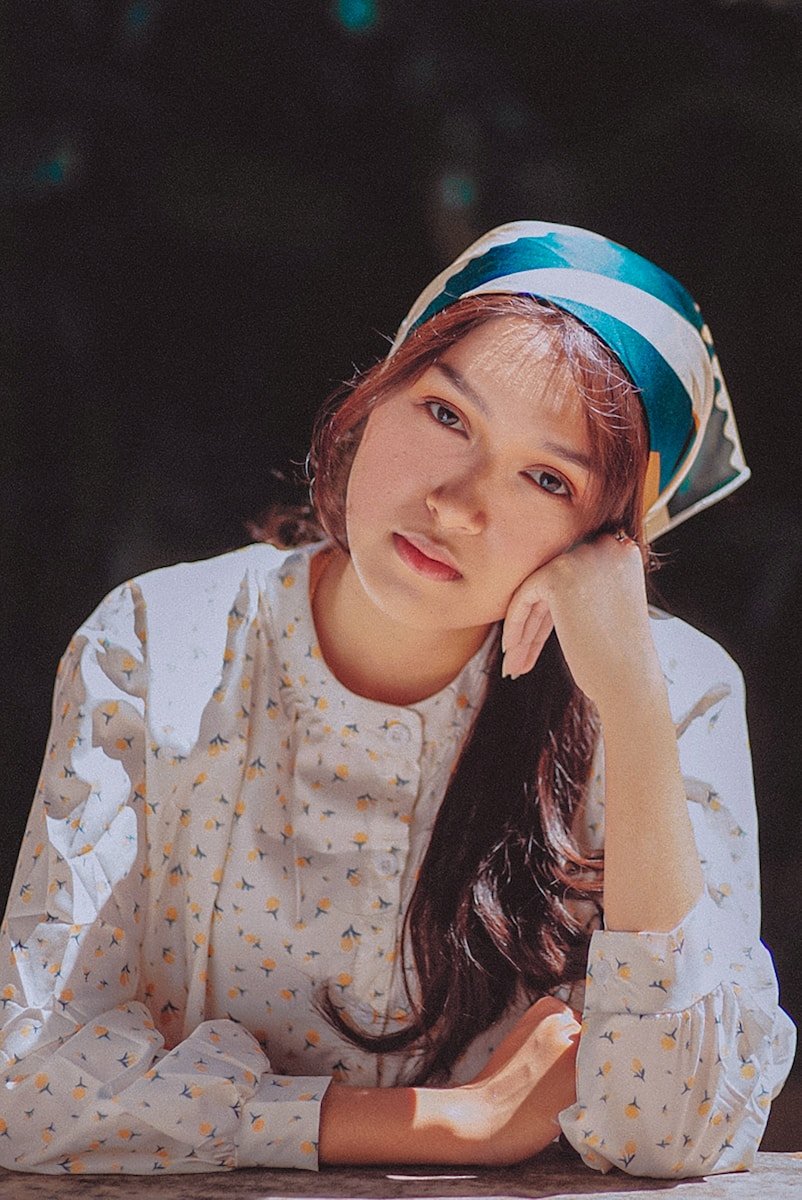
One of the most important rules of mixing prints is to balance the size and scale of the patterns. Pairing two prints of the same size can create visual chaos, making it difficult for the eye to focus on any one element. Instead, it’s often best to combine a larger, bolder print with a smaller, more subtle one. For example, pairing a large floral print with a smaller polka dot or stripe pattern creates contrast without overwhelming the viewer. This technique helps maintain visual interest and allows each print to shine without competing for attention.
Color Coordination
Another essential aspect of mixing prints is color coordination. While contrasting prints can be striking, it’s crucial to find a common thread of color between the different patterns. A great way to ensure that the prints work together is to look for one or two shared colors that tie them together. This could be as simple as incorporating a neutral shade such as black, white, or navy, or you could choose a bold accent color that appears in both prints. By repeating a color across the patterns, you create a sense of unity and coherence in your outfit.
The Power of Neutrals
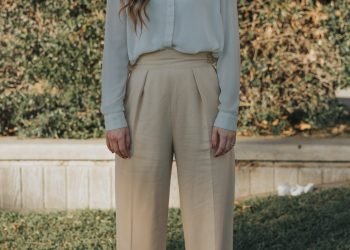
While vibrant prints are often the star of an outfit, neutrals can play an essential supporting role. Pairing a bold pattern with a neutral base can ground the outfit and help balance out the overall look. For example, a leopard print skirt paired with a simple black top or a geometric print dress paired with a neutral cardigan can create a chic and harmonious ensemble. Neutrals like beige, gray, and white act as anchors for the bolder prints, ensuring that the outfit doesn’t feel too overwhelming.
2. Play with Different Print Combinations
Now that we’ve covered the basic principles, let’s explore some exciting ways to mix and match prints. When done thoughtfully, the combinations can be playful, elegant, or even edgy—depending on your personal style and the occasion. Here are a few creative print pairing ideas:
Stripes and Florals
Stripes and florals are a classic print combination that can look both fresh and sophisticated when paired correctly. The key is to choose stripes that are more understated, such as thin black-and-white stripes, and pair them with a bolder floral print that incorporates the same colors. This pairing works particularly well when the floral print is vibrant and colorful, while the stripes add structure and geometric contrast to the outfit. For example, a striped top paired with a floral skirt in complementary hues creates a well-balanced and stylish look.
Animal Prints and Polka Dots
Animal prints, such as leopard or zebra, are often seen as bold and attention-grabbing, but when paired with the right pattern, they can become a statement of sophistication. Pairing an animal print with something as playful and whimsical as polka dots creates an unexpected and intriguing contrast. The dots act as a counterbalance to the wild energy of the animal print, softening the overall look. For instance, a leopard print blouse paired with black-and-white polka dot trousers can create a striking yet balanced outfit. The key here is to keep the colors in a similar palette, so the overall vibe remains cohesive.
Plaid and Paisley
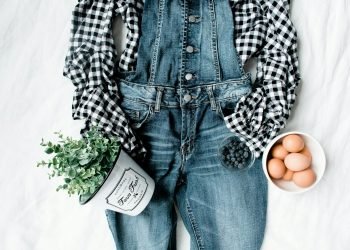
Plaid and paisley are two prints that are often associated with classic and bohemian styles, respectively. However, when combined thoughtfully, they can create a fashion-forward look that is both unique and dynamic. When mixing plaid and paisley, it’s important to play with scale and proportion. For example, you could pair a large, checkered plaid print with a smaller paisley print in a complementary color. The two patterns will contrast nicely, with the plaid adding structure and the paisley introducing fluidity and flow to the outfit. This combination works particularly well in autumn or winter when heavier fabrics like wool or tweed are involved.
Geometric and Abstract Prints
Geometric and abstract prints are another exciting pairings that can create a modern, artistic look. Geometric prints tend to be sharp, structured, and bold, while abstract prints can be more fluid and organic. Combining these two types of prints creates a balance between structure and spontaneity, which can make for a striking outfit. When mixing geometric and abstract prints, focus on color harmony and the overall feel of the prints. For example, a geometric print skirt in black-and-white tones can be paired with an abstract print top that incorporates the same colors, creating an edgy, contemporary vibe. This combination works well for creative events or casual days when you want to make a bold style statement.
3. Accessorizing Your Mixed-Print Outfit
When it comes to mixing prints, accessories can play a crucial role in tying the look together. A few carefully selected accessories can complement your printed outfit and add an extra layer of visual appeal. Here are some tips for accessorizing when mixing prints:
Solid Accessories
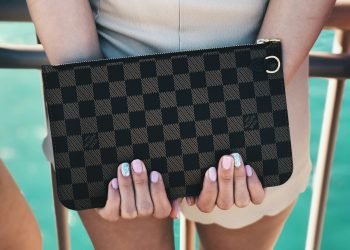
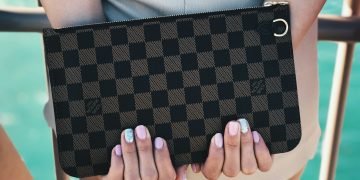
One of the easiest ways to ensure your mixed-print outfit doesn’t look too busy is by opting for solid-colored accessories. A neutral handbag or a simple pair of shoes can provide a break between the prints, helping the outfit feel more balanced. For example, if you’re wearing a floral dress with a striped blazer, choose a solid-colored bag or shoes in a complementary hue to avoid clashing with the prints.
Print-Matching Accessories
Alternatively, you can take your print-mixing game up a notch by matching your accessories to one of the prints in your outfit. For instance, if you’re wearing a striped shirt with a leopard print scarf, you could opt for a pair of shoes that reflect the leopard print pattern. This helps create continuity within the look, making the combination of prints feel more intentional and polished.
Statement Jewelry
Jewelry is another great way to add interest to a mixed-print outfit. However, it’s essential to keep it simple and avoid overwhelming your look with too many bold pieces. A statement necklace or a pair of earrings that echo the colors or shapes in your outfit can enhance the overall aesthetic without distracting from the prints themselves.
4. Practical Tips for Mixing Prints
While mixing prints can be fun, it’s important to approach it with a few practical guidelines in mind to avoid an overly chaotic look. Here are some additional tips to keep in mind:
- Start Small: If you’re new to mixing prints, start with two patterns and gradually work your way up to more complex combinations. This will help you build confidence and get a feel for how prints interact with each other.
- Keep the Outfit Balanced: When mixing prints, make sure to balance the proportion of the patterns. A small print paired with a large one will create more visual interest than two prints of the same size.
- Use Neutral Base Pieces: If you’re unsure about mixing prints, start by pairing your printed pieces with neutral base items such as a black blazer, white shirt, or denim jacket. This creates a more grounded and cohesive look.
- Consider the Occasion: While mixing prints can be a fun way to experiment with style, be mindful of the occasion. More subtle prints may be appropriate for the office, while bold, vibrant prints are ideal for social events or weekend outings.