
The way you dress for work can have a significant impact on your professional life, from the impression you make on colleagues and clients to the confidence you feel in your own skin. As the old saying goes, “Dress for the job you want, not the job you have.” This is a powerful reminder that the clothes you wear not only reflect your personality but can also help shape how you are perceived in the workplace. Whether you work in a corporate office, a creative environment, or a more casual setting, dressing appropriately and strategically is essential for projecting competence, confidence, and professionalism. In this essay, we’ll explore perfect outfit combinations for different work environments and how you can mix and match your wardrobe to suit various workplace settings, ensuring you look and feel your best every day.
1. The Importance of Dressing for Success
Dressing for success is more than just about wearing a suit or following a specific dress code; it’s about feeling empowered and presenting yourself in a way that aligns with the values and culture of your workplace. The right outfit can boost your confidence, help you focus on your work, and convey the message that you take your professional responsibilities seriously. On the other hand, poor wardrobe choices can lead to discomfort, lack of confidence, and potentially even being perceived as unprofessional.
The key to dressing for success is striking a balance between personal style, comfort, and the expectations of the workplace. Whether you’re dressing for an important meeting, a casual day in the office, or a client presentation, choosing the right outfit is a powerful tool for building your professional image.
2. Outfit Combinations for Corporate Workplaces
Corporate workplaces are often characterized by a more formal dress code, where employees are expected to maintain a professional and polished appearance. However, the idea of “corporate attire” can vary from industry to industry, so it’s important to understand the culture of your specific company before making outfit choices.
Classic Suit and Tie for Men
In a corporate environment, a well-tailored suit is often the go-to choice for men. A classic two-piece suit in navy, gray, or black is a timeless option that works well for meetings, presentations, and interviews. Pair the suit with a crisp white shirt and a silk tie for a refined, polished look. It’s important to ensure that the suit fits properly—too tight or too loose can give off an unprofessional vibe. Accessorize with a leather belt and matching shoes, and keep the look simple with minimal accessories. A classic watch can be a great addition, but avoid anything too flashy.
Power Dressing for Women
For women, power dressing in a corporate environment often involves a tailored blazer and trousers or a professional dress. A well-fitted blazer in a neutral color such as black, navy, or charcoal gray paired with tailored trousers or a pencil skirt is a great combination for meetings and workdays that require a polished appearance. Pairing a blazer with a blouse or a conservative top underneath adds sophistication without overdoing it. When choosing skirts, ensure they are knee-length or slightly below for a more professional look.
To finish off the look, choose closed-toe heels or flats that are both stylish and comfortable. Keep jewelry to a minimum—simple studs or a delicate necklace can enhance the outfit without distracting from your professional presence.
3. Business Casual: A Balance Between Comfort and Professionalism
Many workplaces have embraced a more relaxed dress code that falls under the business casual category. This attire strikes a balance between professional and comfortable, making it an ideal choice for many modern work environments. Business casual doesn’t mean sloppy or overly casual—it still requires a level of professionalism, but with more flexibility in terms of fabric choices, colors, and styles.
Smart Trousers and Button-Down Shirts for Men
For men, business casual typically involves swapping the formal suit for tailored trousers and a button-down shirt. Opt for neutral-colored trousers such as khaki, navy, or gray paired with a well-fitted button-up shirt. A shirt with a subtle pattern, like stripes or checks, can add visual interest without being distracting. You can also experiment with polo shirts or sweaters in colder weather, but ensure they are of high quality and fit well.
A blazer or lightweight jacket can be added to elevate the outfit if needed. Pair the look with leather loafers or oxford shoes, and consider accessorizing with a belt and a classic watch. The key is to maintain a professional appearance without feeling restricted.
Blouses, Trousers, and Dresses for Women
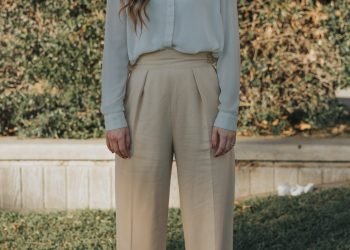
Women’s business casual attire is more varied, allowing for different combinations depending on personal style and the work environment. A simple blouse or shirt paired with tailored trousers or a pencil skirt can be a great base. You can also opt for a knee-length dress or a wrap dress, which is both professional and stylish. Pair these outfits with low or medium heels, ballet flats, or stylish loafers for comfort.
In addition to blouses and dresses, women can also wear cardigans or light blazers to add an extra layer to their outfit. Accessorize with simple jewelry, like stud earrings or a thin bracelet, to maintain a polished but not overly formal appearance. Avoid overly casual items like t-shirts, shorts, or flip-flops, as they can undermine the professionalism of the business casual look.
4. Casual Work Environments: Dressing for Comfort and Style
In creative or startup environments, the dress code tends to be much more relaxed, allowing employees to express their personal style. However, even in casual workplaces, it’s important to maintain a level of professionalism. Dressing casually doesn’t mean dressing sloppily, and you can still achieve a polished look without compromising comfort.
Smart Jeans and T-Shirts for Men
For men, a smart pair of jeans or chinos paired with a well-fitted t-shirt or polo shirt can be an excellent casual outfit for the office. Choose dark denim jeans or chinos in colors like beige, navy, or gray for a more polished look. Avoid distressed or ripped jeans, as they can come across as too casual. If you’re wearing a t-shirt, make sure it’s in good condition with no visible logos or graphic prints—plain colors or subtle patterns work best.
A lightweight jacket or blazer can be added to elevate the outfit if necessary, while sneakers or loafers are a comfortable yet stylish choice for footwear. The key is to keep the overall look neat and cohesive, ensuring that you still look put-together while feeling comfortable.
Dresses, Blouses, and Cardigans for Women
For women in casual work environments, the possibilities are endless. Dresses, blouses, and cardigans are great options that can be dressed up or down depending on the occasion. A simple shift dress or a maxi dress paired with a cardigan can be both comfortable and professional. You can also go for a blouse paired with well-fitted pants or skirts for a more structured look.
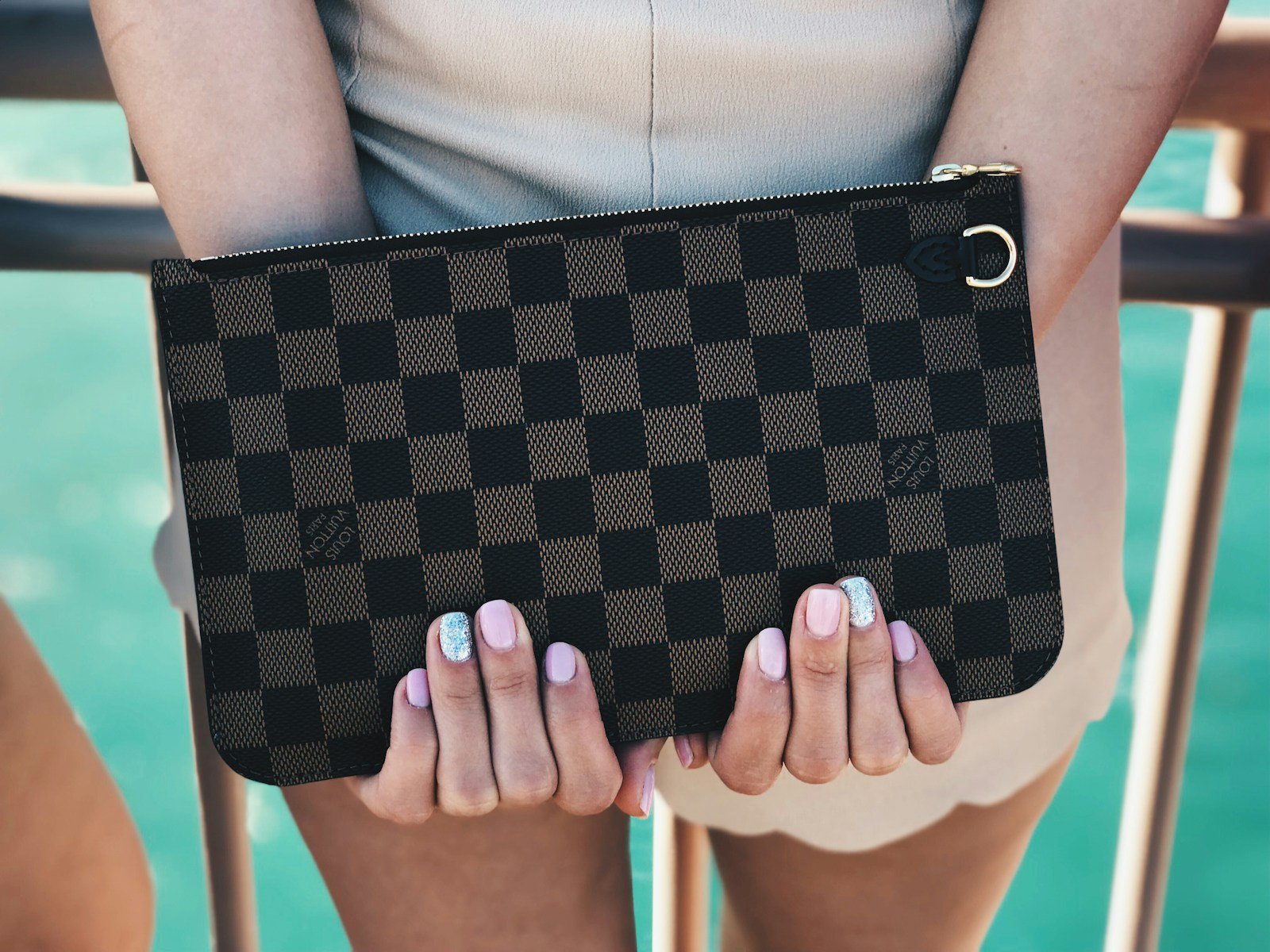
Comfortable flats, sneakers, or ankle boots are acceptable in a casual environment, but avoid flip-flops or sandals unless explicitly allowed. When accessorizing, consider adding a stylish bag or a piece of statement jewelry to give the outfit a bit of personality. The goal is to look relaxed and approachable without sacrificing professionalism.
5. What to Avoid in the Workplace
While there are many outfit combinations that work well for various work settings, there are also some general fashion rules to follow. Certain items and styles are best avoided, regardless of the dress code. These include:
- Overly Casual Attire: Clothes like sweatpants, tank tops, flip-flops, and ripped jeans should be reserved for non-work hours.
- Clothes That Are Too Tight or Too Loose: Avoid clothing that is either too revealing or too baggy, as both can detract from a professional image.
- Excessive Accessories: While accessories can enhance an outfit, overloading on jewelry or flashy pieces can be distracting and unprofessional.
- Clothing with Offensive Graphics or Messages: Avoid wearing clothing that may be considered inappropriate, offensive, or too casual, such as graphic t-shirts with logos or messages.