
The world of fashion is constantly evolving, with new voices and perspectives emerging to challenge conventions and introduce fresh, innovative concepts. Among the key drivers of this evolution are the rising stars of the industry: the emerging fashion designers. These young visionaries are not only setting new trends, but they are also rethinking the way fashion is made, consumed, and understood. Their work is often shaped by their diverse backgrounds, unique experiences, and personal views on the intersection of art, culture, sustainability, and technology.
In this essay, we will explore the role of these emerging designers in shaping the future of fashion, examining the ways in which they are redefining traditional fashion boundaries and pushing for a more inclusive, sustainable, and technologically integrated industry.
The Changing Landscape of Fashion
Fashion has historically been a reflection of social norms, cultural movements, and technological advancements. In the past, fashion was controlled by a few established brands and designers, who dictated the trends that would dominate the global market. However, in recent years, the rise of social media, e-commerce, and greater access to information has empowered a new generation of designers to make their mark. These emerging designers are no longer limited by geographical location or financial constraints; they are able to showcase their work to a global audience and create their own niche in the competitive fashion world.
Emerging designers are not only benefiting from the digital age but are also driving the transformation of the industry. They understand that fashion is no longer just about creating beautiful clothing; it’s about telling a story, challenging norms, and addressing larger societal issues. Today, fashion is an essential vehicle for self-expression, and emerging designers are uniquely positioned to respond to the cultural and environmental needs of the moment.
Diversity and Inclusivity
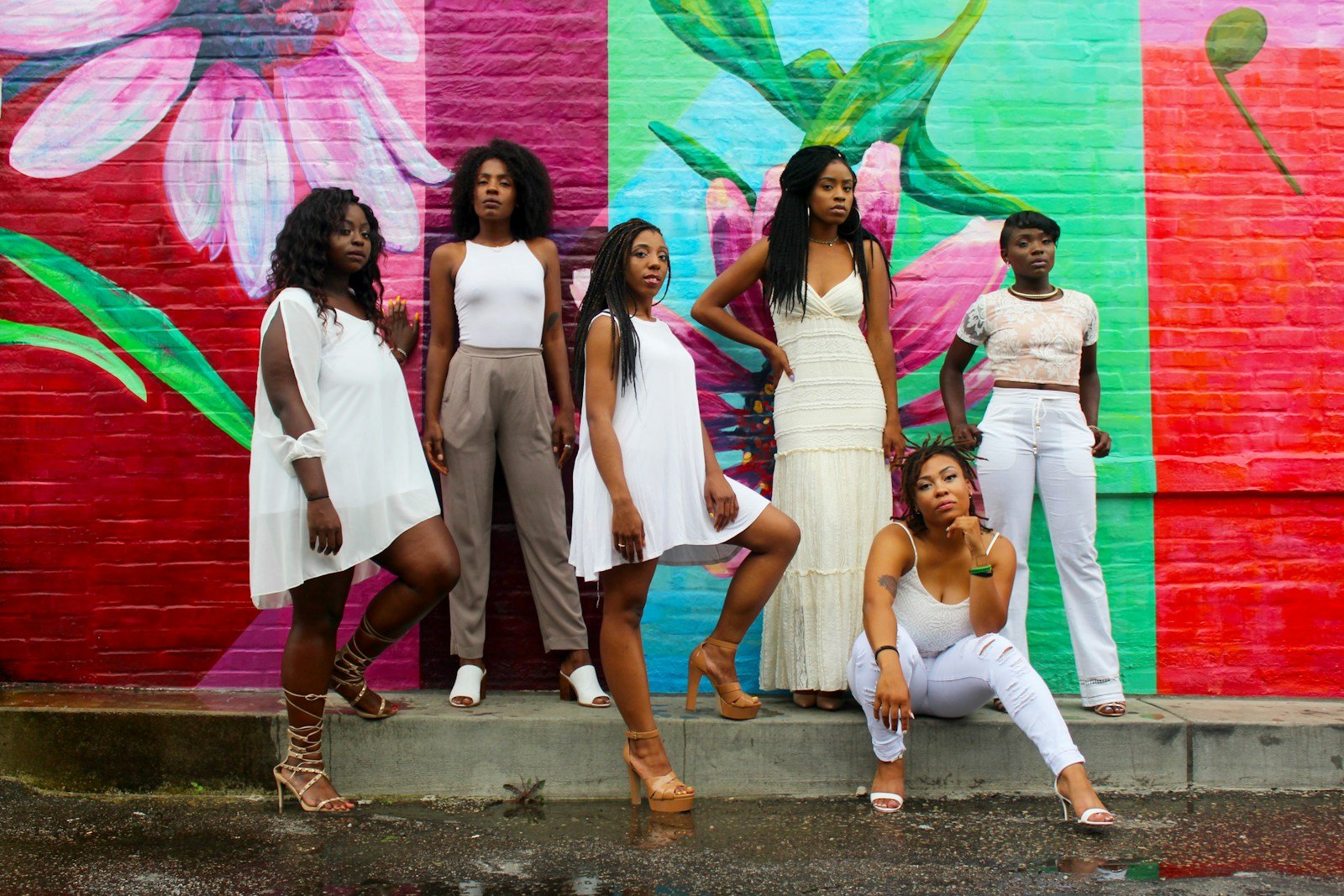
One of the most significant changes in the fashion industry over the past decade has been the growing emphasis on diversity and inclusivity. Traditional fashion shows were often criticized for their lack of representation, with models predominantly coming from one specific demographic. Today, however, emerging designers are leading the charge to make fashion more representative of the global population.
Designers such as Telfar Clemens and Prabal Gurung have used their platforms to showcase diversity not only in terms of race and ethnicity but also gender and body type. Telfar’s unisex designs and commitment to creating fashion that is accessible to all has made him a beloved figure in the fashion world. Similarly, Prabal Gurung’s collections celebrate diversity and empowerment, challenging conventional beauty standards and embracing women of all shapes and sizes. Through their work, these emerging designers have set a new standard for inclusivity, demonstrating that fashion should be for everyone, regardless of their background, body, or gender identity.
Inclusivity is not just about representation on the runway; it’s also about accessibility in terms of pricing and availability. Many emerging designers are also challenging the high-end luxury model, which has traditionally been exclusionary due to exorbitant prices. Designers like Pyer Moss and Christopher John Rogers are offering beautiful, high-quality designs at more affordable price points, democratizing fashion for a broader audience. By doing so, they are reshaping the industry’s old-school notion of luxury and exclusivity.
Sustainability and Ethical Fashion
As the fashion industry grapples with the environmental and social impacts of fast fashion, sustainability has become one of the most pressing concerns for emerging designers. More than ever, designers are looking for ways to produce fashion that is not only stylish and functional but also sustainable and ethical.
The growing demand for sustainable practices is largely driven by the younger generation, who are increasingly aware of the environmental degradation caused by overproduction, waste, and pollution in the fashion industry. Emerging designers are responding by turning to eco-friendly materials, ethical production processes, and circular fashion models. Brands like Stella McCartney, known for its commitment to sustainability, have paved the way for other designers to follow suit. Similarly, rising stars like Marine Serre and Collina Strada are embracing sustainable materials and upcycling in their collections, proving that fashion can be both beautiful and responsible.
Emerging designers are also pushing for more transparency in the supply chain, demanding that brands disclose where and how their garments are produced. This transparency allows consumers to make more informed decisions and hold brands accountable for their environmental and social impact. By adopting these practices, emerging designers are paving the way for a more sustainable and ethical future for the fashion industry.
Technology and Innovation
The role of technology in fashion is growing at a rapid pace, and emerging designers are at the forefront of this revolution. From 3D printing to artificial intelligence (AI), the ways in which fashion is designed, produced, and consumed are being radically transformed by technological advancements.
Designers like Iris van Herpen and Daniel w. Fletcher have embraced technology to create breathtaking, futuristic collections that blend traditional craftsmanship with cutting-edge innovation. Iris van Herpen’s use of 3D printing and other advanced techniques has allowed her to create intricate, otherworldly designs that challenge the boundaries of fashion. Similarly, designers like Karl Lagerfeld have used technology to integrate digital fashion with physical collections, creating virtual garments that exist only in the digital world.
The rise of digital fashion also speaks to the growing importance of virtual environments, such as social media and video games. As the digital world continues to play an increasingly larger role in daily life, emerging designers are exploring new ways to blend physical fashion with digital spaces. The emergence of virtual fashion shows, online pop-up shops, and the integration of fashion into video games are just some of the ways that technology is reshaping the industry. This fusion of digital and physical worlds opens up exciting possibilities for emerging designers to reach new audiences and experiment with new forms of creativity.
The Role of Emerging Designers in Shaping the Future
The influence of emerging fashion designers cannot be overstated. Their work is shaping the future of fashion by addressing the most pressing issues of our time: diversity, sustainability, technology, and inclusivity. These designers are not simply creating beautiful clothing; they are telling stories, challenging societal norms, and pushing for a more sustainable and ethical future.
As they navigate an increasingly complex and competitive industry, emerging designers are using their unique perspectives and talents to redefine what fashion can be. They are breaking down barriers, questioning traditional ideas, and challenging the status quo. Whether through innovative use of technology, a commitment to sustainability, or a dedication to diversity, these designers are playing an integral role in reshaping the future of fashion.