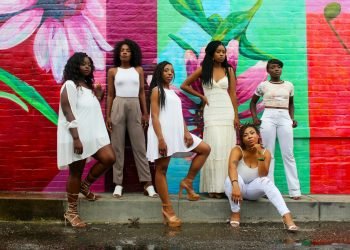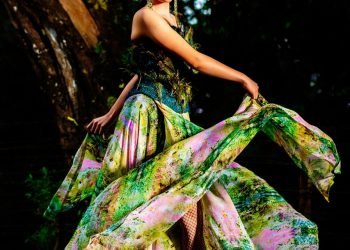

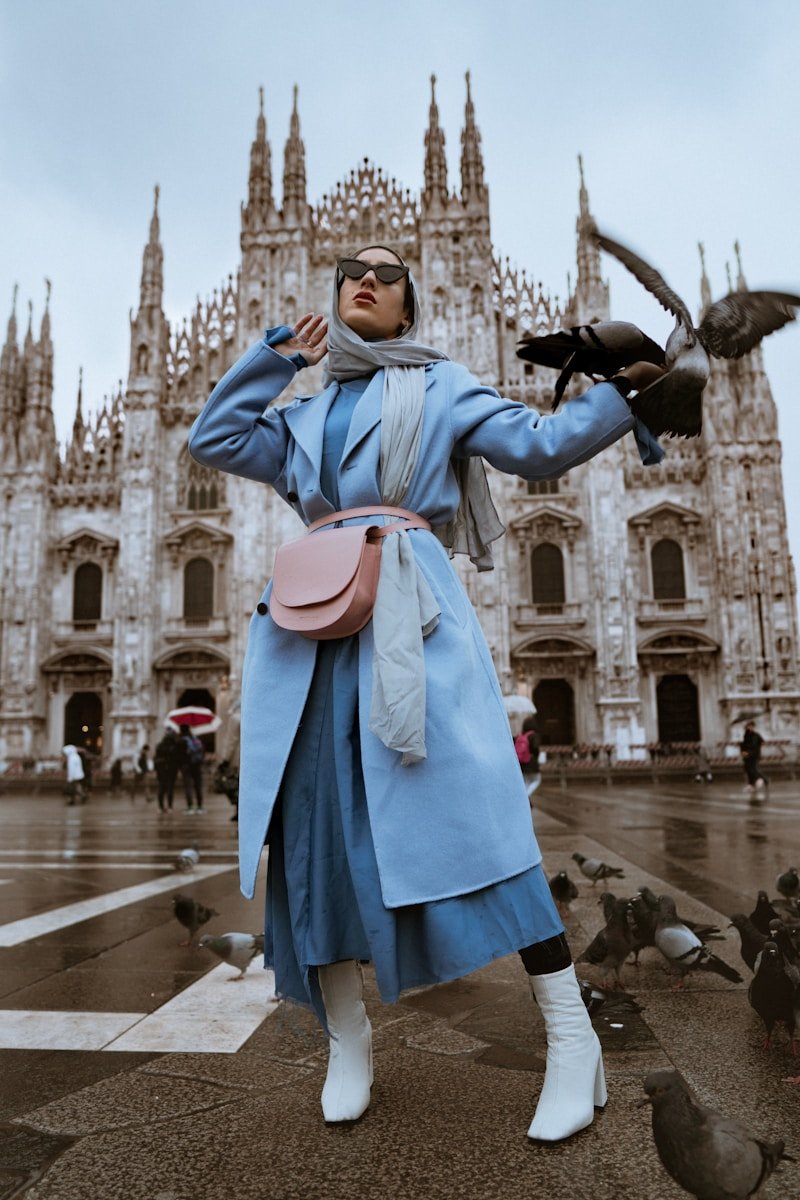
Fashion is a dynamic and ever-evolving industry, and one of the most influential elements in this evolution is color. Color has long been a critical aspect of fashion, influencing everything from the moods of garments to the cultural meanings embedded in clothing choices. The psychology behind color, the cultural implications, and the seasonal preferences all play a significant role in the emergence and popularity of fashion trends. Understanding the role of color in shaping fashion trends involves delving into its psychological impact, its connections to the socio-political climate, and its seasonal variations, among other factors.
The Psychology of Color in Fashion
The psychology of color is central to understanding why certain colors dominate fashion trends. Color has the ability to evoke specific emotions, and these emotional responses can directly influence fashion preferences. For example, vibrant colors like red or yellow can evoke feelings of energy, passion, and confidence, making them popular choices for bold, statement-making pieces. In contrast, more subdued tones like blue and gray are often associated with calmness, trust, and professionalism, leading to their prominence in business attire or formal wear.
Colors also have a way of shifting with societal moods and cultural influences. For instance, during times of economic prosperity or optimism, fashion tends to lean toward brighter, more saturated colors that reflect a sense of vitality and hope. On the other hand, in periods of uncertainty or hardship, fashion might adopt more muted tones or darker shades, symbolizing introspection, melancholy, or sophistication.
The emotional resonance of color goes beyond just the individual. The broader societal mood and the collective consciousness of a generation can impact the popularity of certain colors in fashion. Designers and fashion houses are highly attuned to these shifts, and they use color as a means to connect with the prevailing attitudes and sentiments of their audience. For example, the pastel shades that gained popularity in the 1950s reflected a post-war desire for innocence and lightness, while the neon colors of the 1980s mirrored the exuberance and excess of the decade.
Cultural Significance of Color in Fashion
In addition to the psychological impact of color, fashion is heavily influenced by cultural associations with specific hues. Different cultures often imbue colors with distinct meanings, and these associations play a role in determining the popularity and significance of certain colors at any given time. In Western cultures, for example, the color black is often associated with elegance, formality, and sophistication, which is why black is a staple in eveningwear and professional attire. However, in some African cultures, black can symbolize mourning or even fertility, giving it a different connotation entirely.
Similarly, the color white is often linked with purity, innocence, and weddings in Western societies. However, in some Eastern cultures, white is associated with mourning and funerals, making its use in fashion particularly nuanced and dependent on context. This interplay of color and cultural significance can impact fashion trends, especially when designers seek to incorporate global influences or appeal to international markets.
Colors also carry political and social meanings. For example, certain colors have been adopted by activist movements to signify solidarity or protest. The use of red in the feminist movement or the adoption of rainbow colors in LGBTQ+ pride events are examples of how color can transcend mere aesthetic choices and carry a message about social justice, equality, or resistance. Fashion, therefore, becomes a canvas not only for personal expression but also for broader societal movements.
Color and Seasonality
The seasons also play a pivotal role in determining which colors dominate the fashion landscape. Designers often look to the natural world for inspiration when selecting colors for each season’s collections. Spring, for instance, is often associated with soft pastels, floral patterns, and lighter hues that reflect the blossoming flowers and fresh start of the season. In contrast, autumn tends to favor rich, earthy tones like burnt orange, mustard yellow, and deep reds, mirroring the changing foliage and the impending cooler months.
Seasonal color trends are also influenced by the fabrics used in different seasons. Lighter fabrics like cotton and linen, which are popular in the spring and summer, lend themselves to lighter, more airy colors. On the other hand, heavier fabrics like wool and velvet, which are common in the fall and winter, often complement deeper, more saturated colors like burgundy, navy, and forest green. The association between color and season is so strong that certain colors, like white, are often reserved for the warmer months, while darker shades are more common in the cooler seasons.
However, the cyclical nature of fashion means that colors can transcend their seasonal boundaries. Designers often push the boundaries of tradition by introducing bold and unexpected colors in collections. A deep plum dress, for instance, could be seen as a daring choice for spring, or a bright turquoise could appear in the winter months, defying the typical color expectations of that season. In this way, color trends can both adhere to and disrupt established seasonal norms, creating excitement and innovation within the fashion industry.
The Influence of Technology and Media
The role of color in fashion trends is also heavily shaped by advancements in technology and media. The digital age has allowed for a greater global exchange of fashion ideas and has given designers access to an endless array of color palettes. Color forecasting companies like Pantone play a significant role in predicting and setting color trends for each year. These organizations analyze global trends, consumer behavior, and cultural movements to determine a “Color of the Year” that will dominate fashion, interior design, and even product packaging. This color, once selected, often finds its way into the collections of major fashion houses and mass-market retailers alike.
In addition to Pantone’s influence, the rise of social media platforms like Instagram and TikTok has allowed color trends to spread at a rapid pace. Influencers and fashion bloggers can showcase vibrant outfits and color combinations, influencing the masses in a way that was not possible in previous decades. With the click of a button, an emerging color trend can become a global phenomenon, quickly adopted by retailers and consumers around the world. This democratization of fashion has made color trends more accessible than ever, allowing for a more diverse range of colors to be embraced by fashion-conscious individuals everywhere.